
Are the winter blues getting you down? Do you feel tired, or have trouble concentrating? The concept of comfort food isn’t just about warming you up on a cold day; what you eat really can change the way you feel.
Your food choices can either leave you feeling happier, or can inflict bad moods and mild depressions. At Shasha Horizon, we believe that nutrition is not separate from mental health—they’re intimately connected. This article explores how the foods you choose directly impact your mood, energy, and emotional resilience.
Smart Carbohydrates: The Real Path to Mood Elevation
Why Not All Carbs Are Created Equal
Carbs make you happy—but not so fast! Before you reach for the pizza,
it’s only smart carbohydrate choi
ces that help to improve your mood. You see carbohydrates are rich in tryptophan, a nonessential amino acid which, with a little help from the B vitamins
, is used to create serotonin in the brain.
Serotonin is the ‘feel good’ hor
mone that helps to elevate your mood. This is
why people intuitively reach for carbohydrates when they’re feeling down—their bodies are seeking the neurochemical support that quality carbohydrates provide.
The Problem With Bad Carbohydrates
When you binge on bad carbs, your gut can’t handle all the gluten and this may lead to a number of side effects including depression, irritability, digestion issues and headaches—certainly not a recipe for smiles.
Refined carbohydrates and high-gluten products create inflammation in your digestive system, which impairs nutrient absorption and disrupts the gut-brain axis. This gut inflammation directly contributes to depression and anxiety through multiple biological pathways.
Choosing Carbohydrates That Support Mental Health
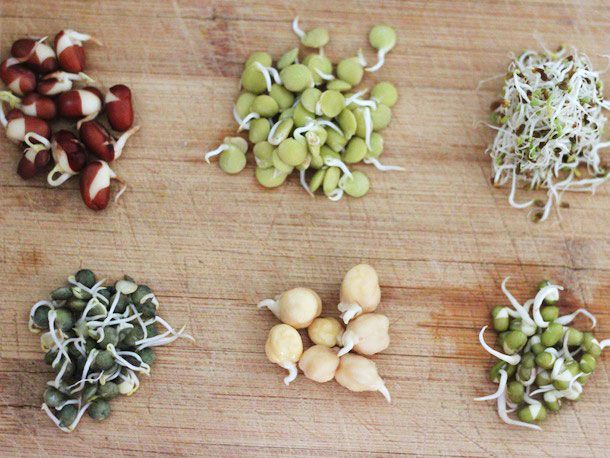
So instead, reach for the whole grains, sprouted grains like Bio-Bud products, gluten-free healthy snacks, and organic artisanal breads which are low in gluten. These quality carbohydrates provide:
- Tryptophan for serotonin production
- B vitamins for neurotransmitter synthesis
- Sustained energy without blood sugar crashes
- Prebiotic fiber for gut health
- Complete nutrition for brain function
Research Confirms Low-Carb Risks for Mood
A recent study by researchers at Arizona State University found that people who follow a very low carbohydrate (ketogenic) diet were fatigued. Overweight test subjects had a sharp reduction in their desire to exercise.
This reveals an important truth: extremely low-carb diets may support rapid weight loss, but they can severely impair mood, motivation, and mental energy. For most people, a balanced diet including quality carbohydrates is essential for both physical and mental health.
Discover Shasha Horizon’s whole grain and sprouted grain products that support mood-boosting nutrition.
Omega-3 Polyunsaturated Fats: Mood Support at the Neurological Level
How Omega-3s Build Brain Health
Polyunsaturated fat—a lot more fun than it sounds—provides critical support for mental health. Omega-3 polyunsaturated fatty acids, found in foods like salmon, walnuts and flaxseed, help to fight depression. That’s because omega-3 builds neurotransmitter pathways in your brain.
These healthy fats are literally the building blocks of your brain’s communication system. Without adequate omega-3s, you
r brain cannot produce the neurotransmitters necessary for stable mood and emotional resilience.
Scientific Evidence for Omega-3 and Depression Prevention
A study by Professor Carmine Pariante showed that with just two weeks of an omega-3 supplement, subjects were 10% less likely to experience depression. This dramatic result in such a short timeframe demonstrates how quickly your brain responds to nutritional support.

Foods Rich in Mood-Supporting Omega-3s
- Fatty fish (salmon, mackerel, sardines)
- Walnuts and other tree nuts
- Flaxseed and chia seeds
- Grass-fed beef
- Pastured eggs
- Hemp seeds
Incorporating these omega-3-rich foods into your regular diet provides consistent neurological support for stable mood.
The Sugar Trap: How High-Sugar Diets Create Mood Swings and Depression
The Blood Sugar Roller Coaster
A high-sugar diet can plague both your physical and mental health. You see, when you eat sugar, your blood sugar level skyrockets and then plummets—a rollercoaster ride straight to depression station.
This blood sugar volatility directly translates to mood instability. When blood sugar crashes, your brain’s glucose supply drops, impairing the neurological systems that regulate mood. This creates the afternoon energy crash, irritability, and emotional instability that many people experience.
How Sugar Hijacks Your Brain Chemistry
Sugar intake floods the brain with dopamine; a chemical that makes you feel good. That’s why you love sweet foods so much. The trouble is, this changes your brain chemistry over time.
Regular sugar consumption literally rewires your dopamine receptors, requiring more and more sugar to achieve the same “reward” sensation. This is addiction, plain and simple. Your brain becomes dependent on sugar-induced dopamine surges to feel normal.
The Neurological Damage of Sugar Addiction
A Yale University study showed that sweet treats activated the same parts of the brain as cocaine, which shows just how addictive sugar can be. The change in your brain chemistry caused by sugar impairs your ability to deal with stress and worsens symptoms of panic and anxiety.
Studies also show that sugar negatively affects cognitive functions and memory and can lead to hyperactivity, irritability and headaches. The same mechanism that makes sugar addictive—constant dopamine flooding—eventually damages your brain’s ability to produce dopamine naturally, leaving you dependent on external sugar for any sense of wellbeing.
Breaking Free From Sugar Addiction
Get off your emotional sugar roller coaster and cut as much sugar from your diet as possible. Add more proteins as these help to stabilize blood sugar levels and provide the amino acids necessary for neurotransmitter production.
The withdrawal process is real—your brain will resist giving up its sugar reward. But after 2-4 weeks of elimination, your dopamine receptors begin to normalize, and you’ll experience:
- Stable energy throughout the day
- Improved mood and emotional resilience
- Better focus and memory
- Reduced anxiety and panic
- Freedom from constant cravings
The Dark Chocolate Exception: Mood Support From Nature
A Sweet Solution That Actually Supports Mental Health
If the thought of giving up all your sweets makes you sad, fear not. Dark chocolate (consumed in moderation) contains anandamide, a neurotransmitter produced in the brain that temporarily blocks feelings of pain and depression.
Unlike refined sugar, dark chocolate provides:
- Anandamide for mood elevation
- Phenylethylamine (the “love chemical”)
- Magnesium for nervous system calm
- Antioxidants for brain health
- Serotonin support
Choosing mood-supporting chocolate:
- Choose 70% cacao or higher
- Limit to 1-2 ounces per day
- Select quality, minimally processed varieties
- Avoid chocolate with added sugar
Quality dark chocolate becomes a tool for mood support rather than a driver of blood sugar chaos.
Fruits of Happiness: Nature’s Mood-Boosting Foods
Bananas: The Complete Mood Support Package
Bananas contain dopamine and a wealth of B-vitamins which help to boost mood. They are especially rich in vitamin B6 which helps to calm the nervous system. Bananas are packed with magnesium which promotes a positive mood.
A single banana provides:
- Natural dopamine for mood elevation
- Tryptophan for serotonin production
- B vitamins for neurotransmitter synthesis
- Magnesium for nervous system calm
- Potassium for heart health
- Pectin for prebiotic fiber
Bananas are one of nature’s most complete mood-supporting foods.
Berries: Antioxidants and Dopamine Production
Blueberries and black berries contain Anthocyanins which give them their purple color. Anthocyanins are antioxidants which help your brain to produce dopamine.
Beyond antioxidant support, berries provide:
- Vitamin C for stress response
- Fiber for blood sugar stability
- Phytochemicals for brain health
- Natural sweetness without blood sugar chaos
- Prebiotic fiber for beneficial bacteria
The deeper the color (purple, black, red), the higher the anthocyanin content and the greater the mood support.
Fiber Foods: Stabilizing Blood Sugar and Mood Swings
The Fiber-Mood Connection
Whole grains, sprouted grains, fruits and veggies that are high in fiber slow the absorption of blood sugar into your bloodstream which, in turn, keeps your blood sugar level constant and reduces mood swings.
This stabilization is profound. By maintaining consistent blood glucose levels, fiber-rich foods:
- Prevent energy crashes
- Eliminate mood swings
- Support stable serotonin production
- Reduce anxiety and irritability
- Support beneficial gut bacteria
- Improve focus and cognitive function
High-Fiber Foods for Mood Stability
- Whole grain breads and grains
- Sprouted grains and legumes
- Vegetables (especially leafy greens)
- Fruits (particularly berries and apples)
- Legumes (beans, lentils, chickpeas)
- Nuts and seeds
- Vegetables with skin
These foods should form the foundation of any mood-supporting diet.
Building Your Mood-Supporting Nutrition Plan
The Complete Approach to Food and Happiness
Healthy eating is the path to happiness; after all a healthy body doesn’t just mean a healthy mind, it means a happy mind too!
To support your mental health through nutrition:
Prioritize:
- Quality carbohydrates (whole grains, sprouted grains)
- Omega-3 rich foods
- Colorful fruits and vegetables
- Protein at every meal
- High-fiber foods
- Dark chocolate in moderation
Eliminate or minimize:
- Refined sugars and processed foods
- High-gluten products that trigger inflammation
- Artificial additives and preservatives
- Vegetable oils high in omega-6
- Alcohol and caffeine (when in excess)
Practical Implementation
Breakfast: Oatmeal with banana and walnuts
Lunch: Salmon with brown rice and broccoli
Snack: Dark chocolate and berries
Dinner: Lean protein with sprouted grain bread and vegetables
Discover Shasha Horizon’s mood-supporting whole grain and sprouted legume products.
Conclusion: Food Is Medicine for Your Brain and Mood
The foods you choose today directly determine how you feel tomorrow. This isn’t metaphorical—it’s biochemistry. Every bite either supports or undermines your brain’s ability to produce the neurotransmitters necessary for happiness, calm, focus, and emotional resilience.
Winter blues, seasonal depression, anxiety, and mood swings are not inevitable. They’re signals that your brain needs better nutrition. By choosing whole grains over refined carbs, omega-3s over trans fats, and fruit over processed sweets, you’re literally rewiring your brain for happiness.
You don’t need drugs to feel better. You need to eat yourself happy.
Your mood is not determined by your circumstances. It’s determined by your nutrition.
Discover mood-supporting whole foods at Shasha Horizon