Heart disease and stroke cause a death every 7 minutes in Canada. These body bullies are also two of the three leading causes of death in the country. 29% of all deaths in Canada are a result of heart disease with men weighing in at 28% and women at a surprising 29.7%.
But here’s the empowering truth: Heart disease is avoidable. Regular exercise and a healthy diet are the ‘apple a day’ that will keep heart disease at bay. At Shasha Horizon, we believe that food is medicine—and the right foods can literally save your life.
Beans: The Heart-Healthy Protein Powerhouse
Why Beans Are Better Than Fatty Meats
Low-fat proteins are a heart-healthy substitute for fatty meats. The very best options here are beans as they are high in fibre, proteins and more vitamins and minerals than you can poke a sharp stick at.
Beans provide:
- Complete or near-complete protein without saturated fat
- Soluble fiber that reduces cholesterol
- Minerals like magnesium and potassium that support heart function
- Antioxidants that reduce inflammation
- B vitamins for energy production
Versatile Ways to Include Beans in Every Meal
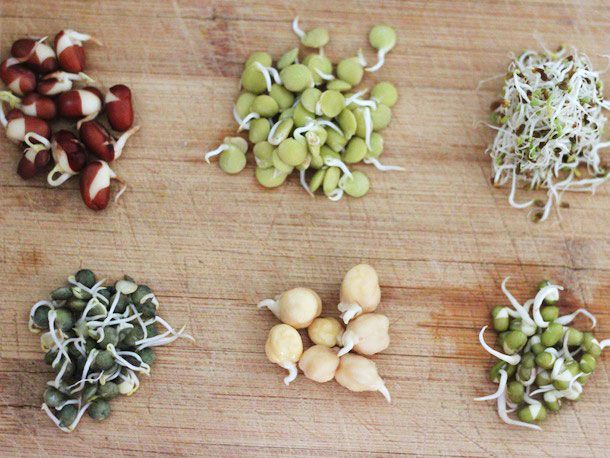
Beans can be added to any hearty dish like stews or chilli. They can also be sprouted and added to salads and sandwiches. The nutritional content of beans increases exponentially when sprouted.
You can even get dehydrated bean sprouts which are super convenient as you can just add them to your cooked meals, sprinkle them over cereal or eat them as a snack.
Discover great bean recipes and sprouted legume options to support your heart-healthy diet.
Put the Kibosh on Fatty Foods: Healthier Versions of Your Favorites
You Can Have Your Favorites—Just Prepared Better
Of course you know this, but you still want to eat your favourite take out foods. Now you can have your take out and eat it too by making a few changes and limiting the number of times a week you indulge.
Heart-Healthy Cooking Substitutions
- Cook French fries in the oven instead of deep frying
- Make your own pizza using organic, whole-grain crusts and low-fat cheese
- Bake chicken and fish in the oven and make homemade burgers with lean mince
- Need ice cream STAT? Try frozen low-fat yogurt instead
- Snack on dried fruit, sprouted snacks or nuts (especially almonds and walnuts) instead of candy and potato chips
The Moderation Principle
Avoid fried foods like the plague and try to indulge in your fatty favourites only once or twice a week. This approach allows you to enjoy foods you love while protecting your cardiovascular health.
Explore whole grain and organic alternatives at Shasha Horizon Farmhouse for heart-healthy meals you’ll actually enjoy.
Whole Grains: The Foundation of Heart-Healthy Nutrition
Why Fiber and Whole Grains Protect Your Heart
Eating whole grains gives you access to high fibre and added nutrition that help to combat heart disease and improve heart health. The soluble fiber in whole grains actively reduces LDL cholesterol—the type that contributes to arterial blockages.
Flax Seed: The Grand-Daddy of Heart Health
The grand-daddy of the wholegrain revolution is flax seed. Ground flax seed can be added to recipes as a substitute for flour, in salads or into cooked meals (you won’t even know it’s there!)
Rich in Omega-3, fibre, lignans and containing a ton of nutrients, the diminutive flax seed is a big contender in a healthy heart diet.
Flax seed supports heart health by:
- Reducing cholesterol levels
- Lowering blood pressure
- Reducing inflammation in arterial walls
- Providing plant-based omega-3 fatty acids
- Supporting healthy triglyceride levels
Easy Ways to Include Flax Seed
- Grind flax seed and add to smoothies
- Mix ground flax into oatmeal or cereal
- Substitute flax seed flour in baking recipes
- Add to salads for texture and nutrition
- Mix into soups and stews
Learn more about whole grain nutrition and heart health.
Red Wine: The Cardiovascular Elixir
The Heart-Protective Compounds in Red Wine
Resveratrol is the key ingredient in red wine that helps protect red blood cells and reduce cholesterol while preventing blood clots that could result in heart attacks and strokes.
Antioxidants called polyphenols are found in red grapes and help to reduce free radicals in the body. Red wine also prevents inflammation, so it’s bottoms up for a healthy heart.
How Red Wine Protects Your Cardiovascular System
- Resveratrol – Protects blood vessel function and reduces clotting
- Polyphenols – Combat free radical damage and reduce inflammation
- Anthocyanins – Support blood vessel health
- Quercetin – Anti-inflammatory and antioxidant effects
Moderation and Heart Health
The key to red wine’s heart-protective benefits is moderation:
- Women: 1 glass per day maximum
- Men: 1-2 glasses per day maximum
- Red wine provides greater benefits than other alcoholic beverages
The cardiovascular benefits come from compounds in red wine, not from the alcohol itself, so don’t exceed moderate consumption.
Getting Fresh: Heart-Protecting Fruits and Vegetables
Why Fresh Produce Is Essential for Heart Health
Of course you know that fresh fruits and veggies are the best things to eat and promote a healthy weight and a healthy heart. But some fruits and veggies are a little better for your heart than others.
Superstar Heart-Healthy Produce
Blueberries: The Antioxidant Powerhouse
Blueberries have superb antioxidant properties and are high in nutritional value. These tiny berries contain anthocyanins that support blood vessel health and reduce inflammation throughout the cardiovascular system.
Carrots: Carotenoid-Rich Orange Nutrition
Carrots contain carotenoid and tons of vitamins that support eye health and reduce inflammation. The beta-carotene in carrots converts to vitamin A, supporting endothelial function in blood vessels.
Spinach: The Leafy Green Powerhouse
Spinach also contains carotenoid and packs a nutrient punch. Beyond carotenoids, spinach provides:
- Magnesium for heart rhythm regulation
- Potassium for blood pressure control
- Folate for homocysteine reduction
- Lutein for vascular health
Expanding Your Heart-Healthy Produce List
Beyond the superstars, other heart-protective produce includes:
- Tomatoes (lycopene for cardiovascular protection)
- Berries (anthocyanins and polyphenols)
- Leafy greens (minerals and phytonutrients)
- Broccoli and cruciferous vegetables (sulfur compounds)
- Citrus fruits (vitamin C and flavonoids)
- Apples (soluble fiber and polyphenols)
The Sweet Ending: Dark Chocolate for Heart Health
Yes, You Can Eat Chocolate Too
And to part on a very high note, you can eat chocolate too. Dark chocolate is best and opt for high quality chocolates as cheaper varieties tend to have more fatty oils.
Dark chocolate contains:
- Flavonoids that improve blood flow
- Antioxidants that reduce free radical damage
- Compounds that support endothelial function
- Anti-inflammatory polyphenols
- Potential blood pressure-lowering effects
Choosing Heart-Healthy Chocolate
- Choose 70% cacao or higher – Higher cacao content means more heart-protective compounds and less sugar
- Avoid cheap varieties – Low-quality chocolate is high in unhealthy fats and sugar
- Limit portions – 1-2 ounces (about 30 grams) per day is optimal
- Quality over quantity – One premium square of dark chocolate is better than several pieces of mediocre chocolate
A New Approach to Heart Health
You Don’t Have to Sacrifice to Protect Your Heart
So pour yourself a glass of red wine, enjoy a piece of high-quality dark chocolate, add beans and whole grains to your meals, snack on fresh berries, and you won’t even miss your fast food.
The path to heart health is not about deprivation—it’s about making better choices with delicious, nourishing foods. You can enjoy your meals while protecting the most important organ in your body.
Discover heart-healthy whole grain breads and organic products that support your cardiovascular wellness.
Conclusion: Eat Your Way to Heart Health
Heart disease doesn’t have to be your destiny. With strategic food choices, regular movement, and stress management, you can maintain excellent cardiovascular health for your entire life.
Every meal is an opportunity to either support your heart or work against it. Choose wisely.
Your heart depends on what you eat today.
Discover heart-healthy nutrition at Shasha Horizon