
There are a number of natural substances that prevent the spread of cancers. Some reduce tumors while others combat cancer cells to help your body fight back. Cancer is becoming a pervasive part of our society with 50% of the population diagnosed with cancer in their lifetimes.
A number of environmental and lifestyle choices are contributing to the increased cancer risk and this means there are choices you can make that help to mitigate your chances of getting this deadly disease. Of course healthy lifestyle choices like exercise and diet can really reduce your cancer risk.
At Shasha Horizon, we believe that food is medicine. The foods you consume daily either support cancer development or actively fight against it. This article explores four categories of cancer-fighting foods backed by peer-reviewed research, showing you exactly how to use nutrition to reduce your cancer risk substantially.
Understanding Cancer Prevention: Why Diet Matters More Than Most People Realize
The Staggering Cancer Epidemic
Cancer is becoming a pervasive part of our society with 50% of the population diagnosed with cancer in their lifetimes. This isn’t just a health statistic—it’s a personal reality for half of all families. The prevalence of cancer represents one of the most significant health challenges of our time.
Why Diet Is Your Most Powerful Cancer Prevention Tool
While genetics play a role, lifestyle factors—particularly diet—account for the majority of cancer risk. This is the crucial insight: most cancer is preventable through choices you control: the foods you eat, the exercise you do, and the environmental toxins you avoid.
The foods you consume either:
- Activate anti-cancer mechanisms – Supporting your body’s natural cancer-fighting systems
- Provide antioxidant protection – Protecting cells from damage that leads to cancer
- Reduce inflammation – Addressing the inflammatory state that promotes cancer
- Support detoxification – Helping your body eliminate cancer-promoting toxins
- Promote healthy weight – Obesity is a significant cancer risk factor
Or they do the opposite—promoting inflammation, providing toxins, and creating the metabolic environment where cancer thrives.
Learn about Shasha Horizon’s commitment to cancer prevention through whole foods.

Food Category 1: Omega-3 Fatty Acids—The Prostate Cancer Fighter
How Omega-3s Combat Prostate Cancer at the Cellular Level
Omega-3 fatty acids inhibit the growth and spread of prostate cancer. In a study by researchers at Washington State University omega-3 fatty acids were found to inhibit the growth and spread of prostate cancer cells.
Working with prostate cell cultures, a team led by Kathryn Meier found that the omega-3 fatty acids bind to a receptor called FFA4, for “free fatty acid receptor 4,” and prevented the cancer cells from multiplying.
This research reveals the specific mechanism: omega-3s bind to cellular receptors that cancer cells depend upon, literally preventing the cancer cells from reproducing. This isn’t just slowing growth—it’s stopping it at the source.
Omega-3s Enhance Chemotherapy While Reducing Side Effects
In another study, Professor A. M. El-Mowafy and a team of researchers from Mansoura University, Egypt found that omega-3 reduced tumours in rats and enhanced the positive effects of Cisplatin, a chemotherapy drug, while reducing its harmful side effects.
This dual benefit is remarkable: omega-3s not only work independently against cancer, but they also make chemotherapy more effective while simultaneously reducing the devastating side effects that often make chemotherapy difficult to tolerate. This suggests omega-3 supplementation should be standard alongside chemotherapy treatment.
Best Sources of Omega-3 Fatty Acids for Cancer Prevention
Good sources of omega-3 fatty acids include walnuts, flax seeds, soy products, eggs and fatty fish like salmon, anchovies, arctic char, cod, herring and white fish.
Omega-3 sources ranked by concentration:
- Fatty fish – Salmon, mackerel, herring, sardines (highest concentration)
- Flax seeds – Ground or whole; excellent plant-based source
- Walnuts – About 1 ounce daily provides substantial omega-3s
- Soy products – Tofu, tempeh, edamame
- Eggs – Particularly from pasture-raised hens
- Other fish – Arctic char, cod, white fish
- Seeds – Chia seeds, hemp seeds, pumpkin seeds
Cancer prevention strategy: Consume omega-3-rich foods 3-5 times weekly, with particular emphasis on fatty fish twice weekly.
Discover Shasha Horizon’s approach to comprehensive cancer prevention.
Food Category 2: Ginger—The Multi-Cancer Combat Spice
Ginger’s Role in Cancer Patient Support and Prevention
Ginger has been utilized by cancer patients to reduce inflammation and combat nausea and vomiting and as an effective anti-oxidant. Now studies show that ginger also plays a major role in actually combating prostate cancer.
Beyond supporting cancer patients through treatment side effects, ginger is increasingly recognized as a cancer-preventive agent that stops cancer development at the cellular level.
Ginger and Prostate Cancer: Growth Inhibition and Cell Death
A study from Georgia State University found that ginger helped to reduce prostate cancer: “Whole ginger extract (GE) exerts significant growth-inhibitory and death-inductory effects in a spectrum of prostate cancer cells.”
This research indicates that ginger doesn’t just slow cancer cell growth—it actually induces cancer cell death (apoptosis). This is the most beneficial outcome: not just preventing growth, but actively killing existing cancer cells.
Ginger and Ovarian Cancer: Tumor Reduction and Prevention
Another study by Jennifer Rhode and her team showed that ginger effectively reduced ovarian cancer tumors.
From the study: “Ginger inhibits growth and modulates secretion of angiogenic factors in ovarian cancer cells. The use of dietary agents such as ginger may have potential in the treatment and prevention of ovarian cancer.”
This research is particularly important for ovarian cancer, a disease often diagnosed late with poor prognosis. Ginger’s ability to inhibit the growth factors that tumors depend upon—angiogenic factors that create blood vessel formation necessary for tumor growth—represents a significant potential intervention.
Integrating Ginger Into Your Cancer Prevention Diet
Daily ginger consumption strategies:
- Fresh ginger tea – 1-2 teaspoons fresh ginger simmered in hot water daily
- Cooking ingredient – Add ginger to curries, stir-fries, soups, and stews
- Smoothies – Add ground ginger to fruit or vegetable smoothies
- Spice rubs – Combine ginger with other spices for meat and vegetable preparations
- Concentrated form – Ginger supplements or tinctures for higher doses
Optimal intake: Aim for 1-2 grams fresh ginger daily, either from food or supplement form, for cancer prevention benefit.
Food Category 3: Folates—The B-Vitamin Cancer Risk Reducer
Understanding Folate and Cancer Prevention
Folates—the naturally occurring form of folic acid—are B-vitamins with proven cancer-preventing properties across multiple cancer types.
Folates and Pancreatic Cancer: 50% Risk Reduction
This B-vitamin complex has been shown in one study of 27,000 Finnish male smokers between ages 50 and 69 to cut their risk of pancreatic cancer in half.
This is a remarkable finding: a 50% reduction in pancreatic cancer risk through adequate folate intake. For a disease with poor prognosis, this preventive benefit is extraordinary.
Folates and Breast Cancer: Protective Effects in Postmenopausal Women
Another study showed that having high levels of folates helped reduce the risk of breast cancer.
Particularly important for postmenopausal women, who represent the highest breast cancer risk group, folate intake appears to provide significant protective benefit. The mechanism likely involves folate’s role in DNA synthesis and repair—preventing the mutations that lead to cancer development.
Best Sources of Folates for Cancer Prevention
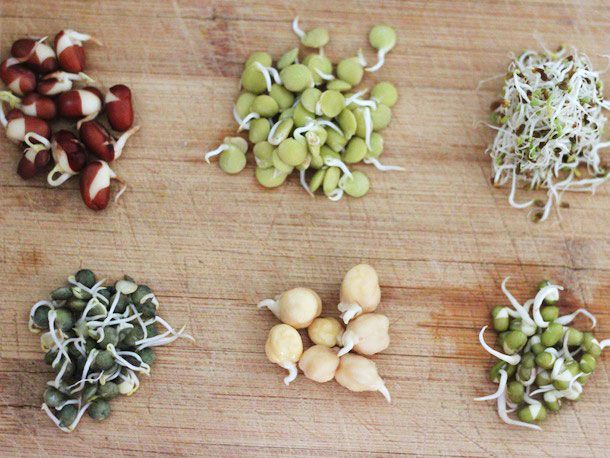
Good sources of folates include oranges, Brussel sprouts, asparagus, broccoli, dark leafy greens, citrus fruits, avocadoes, sprouted beans, peas and lentils.
Folate-rich foods ranked by concentration:
- Dark leafy greens – Spinach, kale, collards (highest concentration)
- Asparagus – Remarkably high folate content
- Broccoli and Brussels sprouts – Excellent cruciferous sources
- Sprouted legumes – Beans and lentils, particularly when sprouted
- Avocados – High folate plus healthy fats
- Citrus fruits – Oranges, grapefruit, lemons
- Peas – Both fresh and dried
- Other vegetables – Beets, carrots, corn
Cancer prevention strategy: Consume folate-rich vegetables daily, with particular emphasis on dark leafy greens and cruciferous vegetables. Discover Shasha Horizon’s sprouted beans and legumes rich in folate content.
Food Category 4: Tea—The Antioxidant Cancer Prevention Beverage
Understanding Tea’s Cancer-Fighting Compounds
Organic teas contain kaempferol; an anti-oxidant that studies show helps reduce the risk of certain cancers.
Tea isn’t just a beverage—it’s a concentrated source of antioxidants that actively prevent cancer development. The compounds in tea work through multiple mechanisms to interrupt cancer processes.
Tea and Ovarian Cancer: 3-4 Cups Daily Reduces Risk
In a study of more than 66,000 women by Margaret Gates from Harvard’s School of Public Health, it was discovered that drinking three to four cups of tea a day helped to reduce the risk of ovarian cancer.
This specific dosage recommendation—3-4 cups daily—provides the concentration of compounds necessary for ovarian cancer prevention. This is a substantial but achievable daily consumption goal.
Tea and Breast Cancer: 46% Risk Reduction in Postmenopausal Women
Another study of nearly 3,000 people showed that the flavonoids in tea reduced the risk of breast cancer.
The study focused on postmenopausal women and showed that those with high flavonoid intake were 46% less likely to develop breast cancer.
This finding is particularly important for postmenopausal women, who represent the highest breast cancer risk group. A 46% reduction in breast cancer risk is a meaningful benefit from dietary intervention alone.
Types of Tea and Their Cancer-Fighting Properties
Different teas provide different benefits:
- Green tea – Highest catechin content; powerful antioxidants
- Black tea – High theaflavin content; strong cancer-fighting compounds
- White tea – Least processed; retains maximum antioxidants
- Herbal teas – Different benefits depending on herb; ginger and turmeric teas provide additional benefits
Optimal tea consumption for cancer prevention:
- Daily intake: 3-4 cups minimum for cancer prevention
- Preparation: Steep 3-5 minutes to extract maximum compounds
- Timing: Distribute throughout the day for consistent antioxidant levels
- Quality: Choose organic tea to avoid pesticide residues
- Temperature: Hot or cold; antioxidant content remains stable
Cancer prevention strategy: Make tea consumption a daily habit, aiming for 3-4 cups distributed throughout the day.
Comprehensive Cancer Prevention Strategy: Combining Multiple Food Categories
Synergistic Cancer Prevention
While each food category independently reduces cancer risk, combining them creates synergistic protection. A diet emphasizing all four categories—omega-3s, ginger, folates, and tea—provides comprehensive multi-pathway cancer prevention.
A cancer-prevention day of eating:
- Breakfast – Tea with organic toast topped with avocado (folate)
- Mid-morning snack – Handful of walnuts (omega-3s)
- Lunch – Salad with dark leafy greens and ginger-based dressing; salmon (omega-3s and folate)
- Afternoon – Cup of green tea with fresh ginger
- Dinner – Ginger and turmeric-spiced curry with beans and broccoli (ginger, folate); fatty fish like herring (omega-3s)
- Evening – Cup of herbal tea with turmeric and ginger
This single day delivers multiple doses of all four cancer-fighting food categories while remaining delicious and satisfying.
Avoiding the Counter-Strategy: Why Processed Foods Increase Cancer Risk
While organic, healthy foods may help to hinder the growth of cancer, processed foods with chemical additives increase our risk of cancer.
The contrast is stark: while whole foods actively fight cancer, processed foods actively promote it through:
- Chemical additives – Many have carcinogenic properties
- Advanced glycation end products (AGEs) – Created through high-temperature processing
- Trans fats and refined oils – Promote inflammation
- Excess sodium – Creates metabolic stress
- Sugar and refined carbohydrates – Promote insulin resistance and obesity
- Lack of protective antioxidants – Processed foods have antioxidants removed
The choice is binary: either eat foods that fight cancer or foods that promote it. There’s no neutral middle ground.
Practical Implementation: Making Cancer Prevention Sustainable
Starting Your Cancer Prevention Practice
Begin with the most achievable changes:
- Replace one sugary beverage daily with tea – Accomplishes two goals: increases tea consumption and decreases cancer-promoting sugar
- Add one omega-3 source to meals – Walnuts in salads, fish twice weekly, ground flax seeds
- Increase vegetable consumption – Particularly dark leafy greens and cruciferous vegetables
- Incorporate ginger into cooking – Make it a staple spice
Progressing to Comprehensive Prevention
Once initial changes are established, expand:
- Increase tea consumption to 3-4 cups daily
- Consume omega-3 sources 3-5 times weekly
- Make folate-rich vegetables the base of every meal
- Add fresh ginger to multiple daily meals
Making It Stick: Sustainability Over Perfection
Cancer prevention isn’t about perfection—it’s about consistent choices that accumulate over years. The goal is building habits that feel normal and sustainable, not restrictive.
Focus on what you’re adding—delicious cancer-fighting foods—rather than what you’re removing. This positive framing creates adherence and enjoyment.
Conclusion: Take Control of Your Cancer Risk Today
Choose healthy, organic foods, exercise often and your risk of heart disease, diabetes and cancer will be vastly reduced.
The remarkable research presented in this article demonstrates that cancer isn’t inevitable. By choosing foods that actively fight cancer—omega-3 rich fish, fresh ginger, folate-rich vegetables, and organic tea—you’re taking concrete action to reduce your cancer risk by 50% or more.
The foods that prevent cancer are the same foods that support comprehensive health: whole foods rich in nutrients and antioxidants, free from processed chemicals and refined ingredients.
You have more control over your cancer risk than you might think. Every meal is an opportunity to fight cancer or promote it. Choose wisely.
The path forward is clear:
- Emphasize omega-3 sources – Particularly fatty fish 2-3 times weekly
- Make ginger a staple spice – Fresh ginger daily in tea or food
- Base meals on folate-rich vegetables – Particularly dark leafy greens and cruciferous vegetables
- Drink 3-4 cups of tea daily – Preferably organic, preferably green or white
- Eliminate processed foods – Which actively promote cancer development
- Exercise regularly – Which independently reduces cancer risk
- Maintain healthy weight – Through food choices and movement
This isn’t complicated advice requiring special supplements or exotic foods. It’s returning to whole foods that humans have eaten for millennia—foods your body recognizes and can use to protect itself.
Prevent cancer. Fight disease. Support your health. Start today with the foods you eat.
Discover cancer-fighting whole foods and sprouted legumes at Shasha Horizon