
Say no to the tyranny of fish fingers, to the monopoly of happy meals and the lure of French fries. If you are stuck with a fussy eater and don’t want to be the kind of parent that makes their kids sit at the table until they clean their plate, then there are ways to make healthy food a desirable menu item.
At Shasha Horizon, we understand that raising children to love real food is one of the greatest gifts parents can give. This article provides practical, parent-tested strategies that transform picky eating into healthy eating—without battles, bribes, or short-order cooking.

Organic Wholegrain Breads: The Foundation of Nutritious Children’s Diets
Why Bread Matters for Growing Children
Sandwiches and toast can be great, healthy ways to add fiber, whole grains and probiotics to their diet. Rather than viewing bread as a simple carbohydrate filler, quality bread becomes a vehicle for delivering concentrated nutrition.
For growing children, whose nutritional needs are extraordinary (bone development, brain growth, energy for activity), every food choice matters. Quality bread can provide fiber, vitamins, minerals, and beneficial bacteria that support healthy development.
The Sourdough Advantage for Children’s Digestion
Opt for organic artisanal breads which are baked using the long fermentation sourdough process. This means that they are left to rise for four to six hours which gives the gluten a chance to convert to digestible sugars which are gentler on the stomach.
This extended fermentation creates bread that:
- Breaks down gluten – Easier for developing digestive systems to process
- Converts starches to simple sugars – Gentler on digestion despite whole grain content
- Preserves nutrients – Long fermentation doesn’t damage heat-sensitive vitamins
- Supports gut bacteria – Natural fermentation creates beneficial compounds
- Improves satiety – Kids feel full longer, preventing excessive snacking
A child eating sourdough whole grain bread experiences better digestion, steadier energy, and improved gut health compared to commercial bread.
Sprouted Grains for Maximum Nutrition
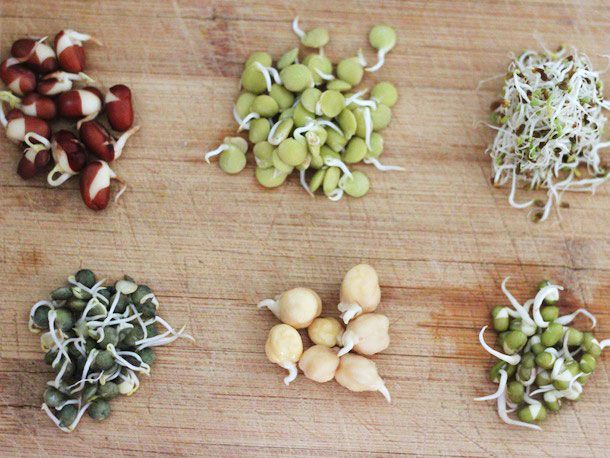
Whole grains (sprouted grains are even more nutritious) add much-needed fiber, vitamins and minerals to their diets.
Sprouted grains contain:
- Enhanced B vitamins – Support energy production and brain function
- Improved mineral absorption – More bioavailable iron, zinc, magnesium
- Reduced anti-nutrients – Phytates and tannins are partially removed
- Increased antioxidants – Protect developing cells from oxidative damage
- Superior fiber – Supports digestive health and regular bowel function
Discover Shasha Horizon’s organic sprouted grain breads that children actually enjoy eating.
Making Bread Fun: Cookie Cutters and Shapes
Use a cookie cutter to create fun shapes for sandwiches and toast and steer clear of processed breads which are packed with additives and chemicals.
This simple strategy—cutting sandwiches into stars, hearts, or animal shapes—transforms an ordinary meal into something special. Children are far more likely to eat food that feels fun and special rather than ordinary.
Why shape-cutting works:
- Visual appeal – Makes food more interesting
- Engagement – Children feel their food is special and made with care
- Game element – Eating becomes play rather than obligation
- Memory-making – Special food shapes create positive food associations
- Investment – Parent effort signals that the food is valuable
Conversely, steer clear of processed breads which are packed with additives and chemicals. Commercial bread contains preservatives, emulsifiers, and chemicals that have no place in a child’s developing body. The effort to find or make quality bread pays dividends in your child’s health.
Regular Meals: Maintaining Stable Energy and Mood for Better Eating
The Five-Meal-Per-Day Structure
Kids need to eat five times a day; three meals and two snacks with lots of fluids in between. This isn’t excessive eating—it’s appropriate nutrition for children’s smaller stomachs and extraordinary energy needs.
Children can’t store energy the way adults can. A child with an empty stomach doesn’t calmly wait for the next meal—they become hangry, irritable, and complain about everything, including food. By maintaining steady blood sugar through regular eating, you create the emotional foundation for good eating habits.
Preventing Hunger-Driven Mood Swings
Keeping their glycemic level up (avoid sugary treats, fast food and processed snacks) will mean they are less moody and irritable come dinner time. When kids are calm and happy, they are less likely to complain about their food.
The connection is direct: hungry children are irritable children who reject healthy food. A child who’s eaten regularly is calm, cooperative, and far more likely to try new foods without complaint.
The five-meal structure:
- Breakfast (7-8 AM) – Substantial, whole-grain based
- Mid-morning snack (10 AM) – Fruit or whole grain
- Lunch (12-1 PM) – Balanced, substantial meal
- Afternoon snack (3-4 PM) – Whole grain or protein
- Dinner (6-7 PM) – Family meal

Making Regular Meals Practical: The Car Cooler Strategy
With busy schedules, it can be tough to get them to eat regularly so keep a cooler in your car with yogurt, carrots, fruit and other healthy snacks on hand so you aren’t tempted to resort to fast food solutions.
This simple strategy—maintaining a portable supply of healthy snacks—removes the most common excuse for unhealthy eating: convenience. When you have healthy snacks available, fast food becomes unnecessary.
Portable snack ideas:
- Yogurt – Protein and probiotics
- Fresh carrots – Crunchy, satisfying, hydrating
- Fresh fruit – Apples, berries, grapes, oranges
- Whole grain crackers – With nut butter or cheese
- Nuts and seeds – Portable protein and healthy fats
- Cheese – Protein and calcium
- Hard-boiled eggs – Complete protein
- Whole grain bars – Made with real ingredients
By being prepared, you make healthy eating the path of least resistance—which is how sustainable habits form.
Planning Ahead: Avoiding Family Meals That Become Short-Order Cook Marathons
The Family Meal With Options Strategy
Being a family short-order cook who makes a meal for each family member’s personal proclivities is exhausting. Plan family meals with a couple of options (like two veggies or salads) so that your children feel like they have a choice.
This strategy acknowledges an important psychological truth: children (like adults) resist feeling controlled. By offering choices within a structure you’ve created, you give them autonomy while maintaining parental control of the nutritional framework.
Creating Structured Choices
If they must eat three out of four meal items, they are less likely to object. This means:
- You choose the protein – Usually one option for everyone
- You choose the whole grain – Usually one option for everyone
- You offer two vegetable options – Child chooses which vegetable(s)
- You offer two salad/side options – Child chooses one
With this structure, children eat what you’ve prepared (nutritionally appropriate foods) while feeling they’ve made choices. This prevents the exhaustion of cooking separate meals while still meeting their psychological need for autonomy.
Reducing Mealtime Resistance
This approach dramatically reduces mealtime conflict because:
- Children feel heard – They have a say in what they eat
- Parents maintain control – All options are nutritious
- Everyone eats the same meal – Not creating separate meals
- Negotiation is eliminated – The framework is set, not subject to debate
Learn about Shasha Horizon’s commitment to family nutrition and whole foods.
New Food Phobias: The Patient Introduction of Unfamiliar Foods
Understanding Food Neophobia in Children
Ever found that introducing an unknown dish gets the same reaction your cat does to its dead mouse offerings? Children naturally resist unfamiliar foods—this is food neophobia, an evolutionarily adaptive response that helped ancestral children avoid poisonous plants.
Understanding that this resistance is normal and developmental (not a sign of a difficult child) changes how you approach it. Rather than viewing vegetable rejection as obstinacy, you recognize it as a normal developmental phase that requires patience and strategy.
The Multiple-Exposure Strategy
Be patient with new food and introduce it slowly, saying that it may take a few tries before their taste buds get the hang of it.
Research shows that children typically need 10-15 exposures to a new food before accepting it. This doesn’t mean forcing them to eat it—it means simply serving it, modeling eating it, and allowing familiarity to develop.
The exposure strategy:
- Serve new foods repeatedly – Familiarity builds acceptance
- Don’t force consumption – Presence on plate is enough initially
- Model enjoyment – Children eat what they see parents eating
- Discuss flavors positively – “This broccoli is crunchy and interesting”
- No pressure or criticism – Pressure creates resistance
- Mix with familiar foods – New vegetable alongside familiar favorite
Over time, repeated exposure transforms unfamiliar foods into familiar, acceptable foods.
Using Social Proof: The Celebrity Vegetable Effect
Suggest foods that their heroes or sports stars like; getting your kid to eat carrots because Taylor Swift does is for the greater good.
This strategy leverages children’s natural desire to emulate people they admire. If their favorite athlete is known to eat certain foods, children become more willing to try them. This isn’t manipulation—it’s understanding child psychology and using it to support healthy eating.
Making Vegetables Fun: The Dip Strategy
Another way to get them to eat veggies is to serve them with dips. Yogurt-based dips and salsa could make veggies fun but be sure to offer dips that are bland as sharp tastes may not work.
Dips serve multiple purposes:
- Make vegetables more interesting – Different textures and flavors
- Increase vegetable consumption – Children eat more with dip
- Support healthy fat absorption – Creamy dips contain beneficial fats
- Create fun eating experience – Dipping feels playful rather than obligatory
Healthy dip ideas:
- Plain yogurt – Protein and probiotics
- Yogurt with herbs – Flavorful without overwhelming
- Mild salsa – Tomatoes and mild spices
- Hummus – Chickpea-based, protein-rich
- Guacamole – Healthy fats from avocado
The key is that dips make vegetables more appealing without adding excessive calories or sugar.
Making Kids Little Chefs: Involvement Creates Investment
Connecting Children to Food Through Cooking
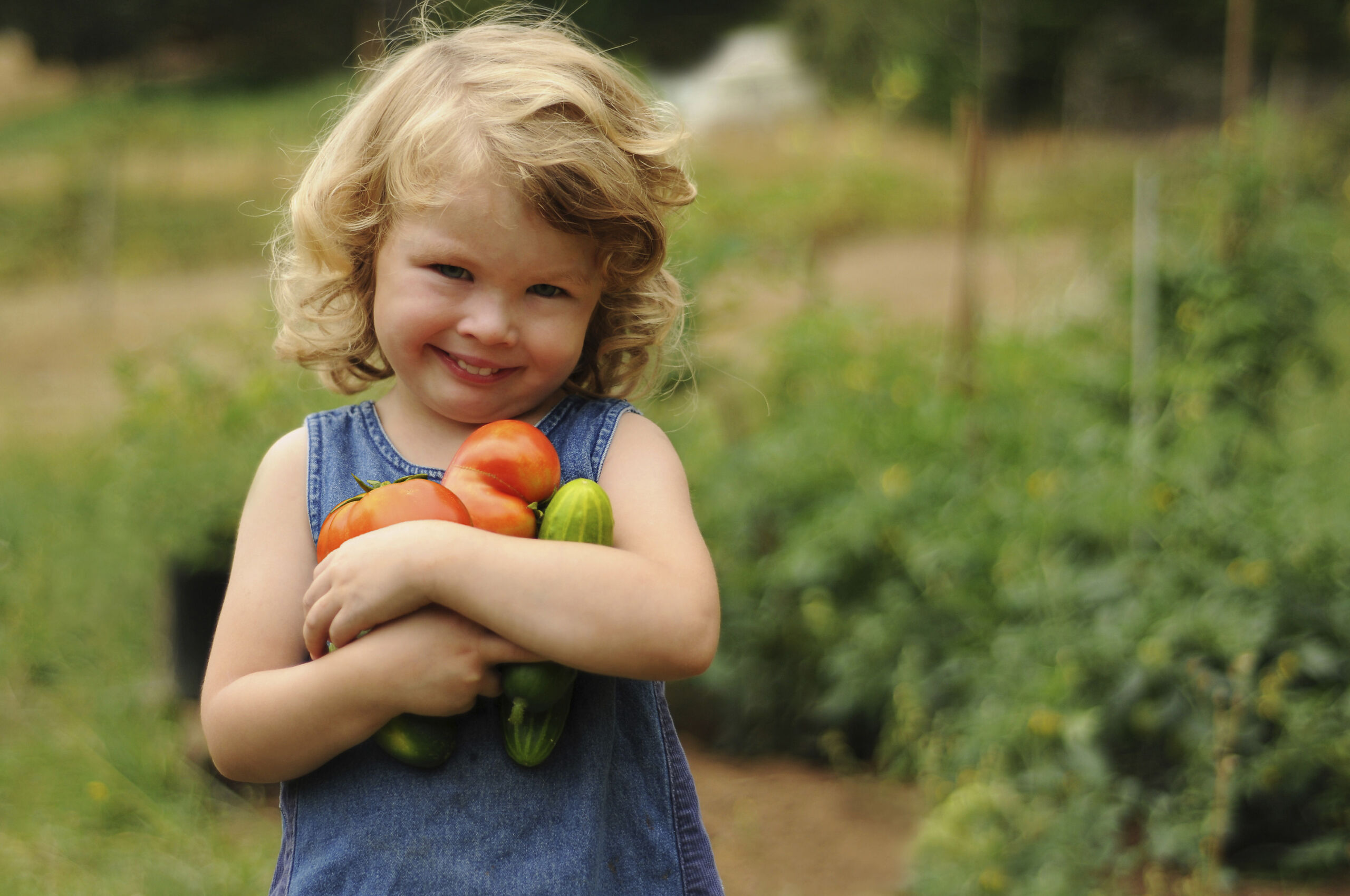
Get your kids to help with dinners so that they will be more connected with their food. Better still, get them to grow some fruit and veggies in the garden or in planters on the windowsill.
This is the most powerful strategy for creating healthy eaters: make children active participants in food production and preparation. A child who helps cook a meal is far more likely to eat it. A child who grows a carrot is far more likely to eat it.
The Growing-Your-Own-Food Strategy
Your kid is far more likely to eat a carrot that they have grown themselves and broccoli that they have helped to cook. Growing food creates:
- Ownership – “I grew this” creates investment
- Curiosity – Interest in the food they’ve nurtured
- Confidence – Accomplishment from successfully growing food
- Connection to nature – Understanding where food originates
- Willingness to try – Higher acceptance of foods they’ve grown
Even apartment dwellers can grow herbs or vegetables in windowsill planters. A child watching their tomato plant grow from seed to fruit develops an entirely different relationship with food.
Involving Children in Shopping
Even getting them to help with the shopping and with picking which vegetables to buy will encourage them to try new things and eat healthy foods. When children choose vegetables at the market, they become invested in preparing and eating them.
How to involve children in shopping:
- Let them choose – Pick which vegetable options to buy
- Ask their preferences – “Do you like carrots or broccoli better?”
- Involve them in selection – “Which apples look best to you?”
- Discuss at checkout – Talk about what you’re buying and why
- Discuss at home – Talk about how you’ll prepare chosen foods
Building Family Food Culture
Making them part of the process will be rewarding for everyone and don’t forget that you lead by example, so eat your fruits and vegetables!
This is the crucial point: children don’t do what you tell them to do. Children do what they see you do. If you want your children to eat vegetables, they need to see you genuinely enjoying vegetables at meals.
Leading by example:
- Eat vegetables enthusiastically – Let them see your enjoyment
- Discuss flavors positively – “This broccoli is delicious and crunchy”
- Try new foods yourself – Model openness to new experiences
- Never say “I don’t like vegetables” – Children hear and internalize this
- Prioritize vegetables in your own plate – Show through your choices what’s important
Children learn more from observing your food choices than from anything you say about nutrition. If vegetables occupy a prominent place on your plate, they naturally become important in your child’s mind as well.
Building a Healthy Food Culture at Home
The Comprehensive Approach to Raising Healthy Eaters
Getting your children to eat healthy food isn’t about tricks or tactics. It’s about building a family food culture where:
- Quality whole foods are normal – Not special or restrictive
- Vegetables are standard – Not negotiable or optional
- Regular meals prevent hunger-driven resistance – Calm children accept food better
- Choice within structure prevents rebellion – Kids feel heard and respected
- Involvement creates investment – Participation transforms resistance to enthusiasm
- Parental modeling is powerful – Your choices teach more than your words
Creating Long-Term Healthy Relationships With Food
The goal isn’t to force children to eat vegetables today. The goal is to create adults who naturally choose vegetables, who understand nutrition, and who feed their own children healthy food. This requires patience, consistency, and genuine commitment to your own healthy eating.
Discover Shasha Horizon’s organic, sprouted grain breads and whole foods that make feeding your family healthily easier and more delicious.
Conclusion: Raising Children Who Choose Healthy Food
The path from chicken nuggets and French fries to adventurous eaters who love real food requires patience, strategy, and parental modeling. But the investment pays extraordinary dividends—you’re literally shaping the health trajectory of your children’s entire lives.
By implementing these strategies:
- Serving quality organic breads – Creating nutritional foundation
- Maintaining regular meal patterns – Keeping blood sugar stable and moods calm
- Planning ahead with portable snacks – Making healthy eating convenient
- Introducing new foods patiently – Building food acceptance gradually
- Involving children in cooking and growing – Creating investment and enthusiasm
- Modeling healthy eating – Teaching through your own choices
…you create children who naturally choose healthy foods, understand nutrition, and build lifelong healthy eating habits.
Say no to chicken nuggets not because you’re restrictive, but because you’re investing in your children’s health and teaching them that their bodies deserve real nutrition. The effort you invest today shapes their health for the rest of their lives.
Children don’t need McDonald’s. They need parents who care enough to feed them real food.
Discover organic, sprouted grain breads and whole foods for your family at Shasha Horizon