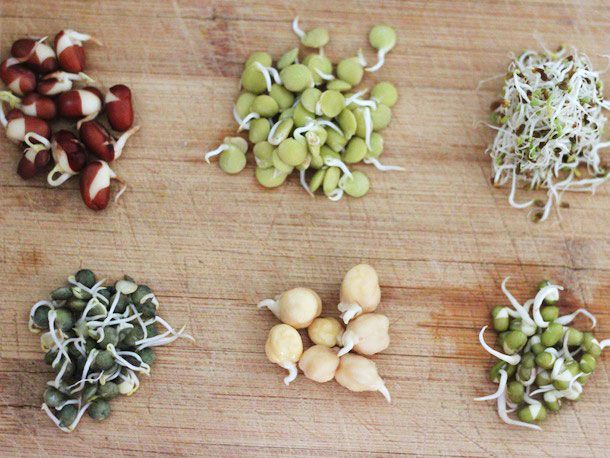
Sprouts from beans and legumes such as mung, alfalfa, lentils and adzuki are packed with vitamins, fibre, vitamin C and protein. These deliciously diminutive plants pack a nutritional punch while keeping calories at an all time low.
Amazingly, sprouts have almost three times the nutrient value of dry beans and legumes and are much easier for the body to absorb and digest. The sprouting craze in the health food isle of your supermarket is there for good reason; these tiny little sprouts are jam-packed with goodness.
At Shasha Horizon, we believe that understanding the nutritional power of sprouts is essential to building a truly healthy diet. This article explores why sprouted legumes deserve a central place in your nutrition and how to incorporate them safely and deliciously into your daily meals.
The Sprouting Advantage: Why Sprouts Are Nutritionally Superior
Three Times the Nutrient Value of Dry Legumes
The sprouting process fundamentally transforms legumes, unlocking nutritional potential that remains dormant in dry beans. When a seed begins to sprout, enzymatic activity explodes—breaking down complex compounds and creating new nutrients.
This biochemical transformation means:
- Vitamin content increases dramatically – Particularly B vitamins and vitamin C
- Mineral bioavailability skyrockets – Phytic acid is reduced, allowing mineral absorption
- Protein becomes more digestible – Enzyme inhibitors are neutralized
- Fiber remains intact – Supporting digestive health
- Calorie content stays low – While nutrient density multiplies
Discover how Shasha Horizon Farmhouse uses sprouted legumes to maximize nutritional value in every product.
Easier Digestion for Better Nutrient Absorption
Beyond the nutritional transformation, sprouts are simply easier for your digestive system to process. The enzymatic breakdown that begins during sprouting continues in your digestive tract, requiring less effort from your body to extract and utilize nutrients.
This is particularly valuable for:
- People with digestive sensitivities
- Those recovering from illness
- Athletes requiring rapid nutrient absorption
- Children and elderly individuals
- Anyone seeking optimal nutrient utilization
Alfalfa Sprouts: The Highest Antioxidant Vegetable
Phytoestrogens for Disease Prevention
Alfalfa sprouts, actually part of the pea family, are crunchy and packed with flavour. They are perfect for salads, sandwiches, soups and omelettes.
Alfalfa is a great source of phytoestrogens which are instrumental in preventing heart disease, cancer and osteoporosis. These plant-based compounds work with your body’s natural hormonal systems to support long-term health.
Complete Mineral and Vitamin Profile
Alfalfa sprouts contain:
- Calcium for bone health
- Potassium for heart function
- Zinc for immune support
- Folic acid for cell division
- Magnesium for muscle and nerve function
- Manganese for bone development
- Phosphorus for energy production
- Vitamins A through K for comprehensive nutritional support
Alfalfa sprouts have the highest anti-oxidant value of all the vegetables—making them one of the most nutrient-dense foods you can consume.
Versatile Uses for Alfalfa Sprouts
- Add to fresh salads for crunch and nutrition
- Layer in sandwiches and wraps
- Float on top of soups for garnish and nutrition
- Mix into omelets for breakfast protein
- Use as a bed for grain bowls
Adzuki Beans: Metabolism and Cholesterol Support
Why Adzuki Beans Are Perfect for Weight Management
Best known for their ability to increase metabolism, adzuki beans are great for dieters as they contain protein (which makes you feel full) and are low in calories.
The metabolic-boosting properties come from:
- High protein content for thermogenesis
- Resistant starch that supports satiety
- Compounds that enhance fat oxidation
- Natural energy support without caffeine
Heart and Digestive Health Benefits
Adzuki bean sprouts help to lower cholesterol and prevent cancer. The high fibre content of adzuki bean sprouts help to balance digestive systems and support beneficial bacteria growth.
Culinary Applications in Traditional and Modern Cuisine
Adzuki bean sprouts are a very popular addition to Asian cuisine and the beans themselves are made into a paste and eaten as desserts such as adzuki bean cakes, popsicles and ice cream. This demonstrates that nutritious foods can also be delicious treats.
Mung Beans: The Protein Powerhouse Superfood
Extraordinary Nutrient Density in Low Calories
Mung bean sprouts contain only 30 calories for 3 ounces. They are high in fibre, vitamin C and protein. Mung beans are best when cooked, but can also be enjoyed raw.
They are a good source of protein (23%) and are touted as being a super food. For comparison, this protein content rivals many animal sources while providing the added benefits of fiber and plant-based nutrients.
Comprehensive Micronutrient Support
Aside from its high fibre and protein content, mung bean sprouts also boast healthy dollops of:
- Vitamin C for immune support
- Folic acid for cell health
- Copper for collagen production
- Iron for oxygen transport
- Zinc for immune function
- Magnesium for muscle and nerve health
- Manganese for bone development
- Phosphorus for energy production
- Potassium for cardiovascular health
- Thiamine for energy metabolism
Disease Prevention Through Nutrition
Mung beans reduce the risk of heart disease, encourage cell growth and protect against cancer and diabetes. This comprehensive disease-prevention profile makes mung bean sprouts one of the most valuable foods for long-term health.
Preparation Methods for Mung Beans
- Cooked – Brings out sweetness and deeper flavors
- Raw – Maintains maximum enzyme activity and freshness
- In Asian stir-fries – Traditional preparation method
- In soups and stews – For warming, nourishing meals
- In grain bowls – For complete protein combinations
Food Safety: Ensuring Your Sprouts Are Hygienic
The Bacterial Risk and How to Avoid It
Bacterial infections and salmonella can be contracted if sprouts are not grown or packaged in hygienic conditions. Always rely on trusted brands to ensure that you are eating sprouts that will improve your health.
Trusted sources include:
- Certified organic sprouting companies
- Reputable health food stores
- Companies with food safety certifications
- Shasha Horizon’s sprouted legume products
Growing Your Own Sprouts
Alternatively, you can grow your own to ensure that you are eating sprouts that will improve your health. Home sprouting allows you to:
- Control all growing conditions
- Harvest at peak nutritional value
- Avoid storage concerns
- Enjoy maximum freshness
- Ensure hygienic conditions
Resources for learning home sprouting are available online and through seed suppliers specializing in sprouting seeds.
Dehydrated Sprouts: Convenience Without Compromising Nutrition
Why Dehydrated Sprouts Are Just as Nutritious
Dehydrated sprouts are just as packed with goodness and are less likely to cause bacteria-related illnesses. The dehydration process removes water while preserving nutrients and eliminating moisture-related bacterial growth.
Versatile Uses for Dehydrated Sprouts
Dehydrated sprouts can be eaten as a snack, as a cereal or utilized in cooking. They can be added to dishes in the same way that you would legumes, but cook in half the time.
Applications for dehydrated sprouts:
- As a snack – Eat directly from the package for quick nutrition
- Mixed into cereal – Add crunch and nutrition to breakfast
- In cooking – Add to soups, stews, and curries with reduced cooking time
- In grain dishes – Mix into rice, quinoa, or other grains
- In salads – Add texture and concentrated nutrition
- In baked goods – Incorporate into breads and muffins
Getting Started With Sprouts: Delicious and Nutritious Recipes
Making Your First Forays Into Sprout Cooking
Are you new to the exciting world of sprouts? Getting recipes will make your first forays into the world of sprout cooking both delicious and nutritious.
Discover sprouted legume recipes and cooking ideas that will transform how you think about beans and legumes.
Simple Recipe Ideas for Beginners
- Sprout salad – Mix alfalfa, mung, and adzuki sprouts with fresh vegetables
- Sprout sandwich – Layer sprouts with hummus and vegetables on whole grain bread
- Sprout stir-fry – Add mung bean sprouts to your favorite Asian vegetables
- Sprout soup – Float sprouts on top of vegetable or bone broth
- Sprout smoothie – Blend sprouted seeds with fruit and liquid
- Sprout snack – Eat dehydrated sprouts straight from the package
Learn More About Sprouted Nutrition
Explore Shasha Horizon’s comprehensive approach to sprouted whole foods and legumes and how traditional sprouting methods support modern nutrition.
Conclusion: Embrace the Power of Sprouts
Sprouts represent one of the most nutrient-dense, easily digestible, and affordable nutritional powerhouses available. Whether fresh or dehydrated, alfalfa, adzuki, or mung—these tiny legumes deliver extraordinary nutrition in minimal calories.
The sprouting craze isn’t hype. It’s justified by solid nutritional science and thousands of years of traditional use. By incorporating sprouts into your daily diet, you’re giving your body access to concentrated nutrition that supports disease prevention, weight management, digestive health, and overall vitality.
Small sprouts, big nutrition, life-changing health.
Discover sprouted legume products at Shasha Horizon