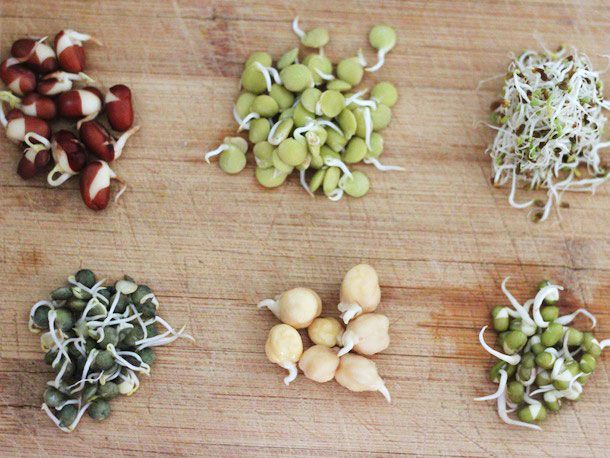

Better memory and improved cognitive functioning are just some ways in which food can make you smarter. Your brain takes up an impressive 20% of your daily energy consumption and you should fuel it with whole grains, sprouted grains and organic foods. But your diet can do even more; improving the very fabric of your brain is just a plateful away and you can actually eat yourself smarter.
At Shasha Horizon, we understand that cognitive health is wealth. The foods you consume literally build and maintain your brain structure, influence your thinking speed, support your memory, and determine whether your cognitive abilities remain sharp through your entire life or decline prematurely. This article explores seven scientifically validated foods that enhance cognitive functioning and shows you how to incorporate them into daily eating for sustained brain health.
Understanding Brain Nutrition: Why Your Diet Determines Your Cognitive Destiny
The Brain’s Extraordinary Energy Demands
Your brain takes up an impressive 20% of your daily energy consumption despite being only 2% of your body weight. This means your brain is extraordinarily metabolically active—and extraordinarily dependent on consistent, quality nutrition for optimal function.
When your brain receives adequate nutrition from whole foods, it functions brilliantly: learning easily, remembering clearly, processing quickly, and maintaining emotional stability. When nutrition is inadequate or consists of processed foods devoid of nutrients, brain function degrades predictably: poor memory, difficulty concentrating, brain fog, and accelerated cognitive decline.
Food as Brain Medicine: Improving Brain Structure and Function
The revolutionary insight that emerges from brain nutrition research: you don’t just maintain the brain you were born with. You can actually improve your brain’s structure and function through dietary choices. You can literally eat yourself smarter through foods that repair brain circuitry, increase synaptic connections, improve blood flow, and support neuroplasticity.
This isn’t theoretical. The research presented in this article demonstrates measurable improvements in learning capacity, memory function, cognitive speed, and resistance to cognitive decline through specific foods.
Learn about Shasha Horizon’s commitment to brain-supporting nutrition.
Food 1: Blueberries—The Brain Repair Superstars
The Dementia and Alzheimer’s Prevention Breakthrough
These tiny little berries of bliss have been shown to reduce the effects of dementia, Alzheimer’s and oxidative stress.
Blueberries contain anthocyanins—powerful antioxidants that specifically target and neutralize the oxidative stress that damages brain cells and accelerates cognitive decline. The unique potency of blueberry anthocyanins explains their particular effectiveness for brain health compared to other berries.
Improving Learning and Motor Skills in Aging Brains
A study on rats showed that a blueberry diet significantly improved the learning capacity and the motor skills of older rats.
This research is particularly important because it demonstrates benefits in aging brains—the population most needing cognitive support. If blueberries improve learning and motor skills in aging rat brains, the implications for aging human brains are profound.
Repairing Brain Circuitry: The Mechanism of Action
The study by Ron Mervis of the Center for Aging and Brain Repair at the University of South Florida College Of Medicine found that blueberries help to repair brain circuitry which improves all cognitive functioning.
This is remarkable: blueberries don’t just protect existing brain cells. They actively repair damaged brain circuitry—literally rebuilding the neural pathways that support thinking, memory, and learning. This isn’t symptom management; it’s actual structural brain repair.
Incorporating Blueberries Into Your Daily Diet
Easy ways to include blueberries:
- Fresh as snacks – Handful of blueberries between meals
- In smoothies – Blueberries with yogurt and whole grains
- In salads – Adds sweetness and antioxidants to green salads
- In baked goods – Whole grain muffins or pancakes
- With breakfast – Oatmeal, yogurt, or cereal topping
- Frozen – Equally beneficial; available year-round
Optimal consumption: Aim for 1 cup fresh blueberries daily, or at least 3-4 times weekly, for meaningful cognitive benefit.
Food 2: Walnuts—The Brain-Shaped Food That Shapes Better Brains
The Walnut-Brain Resemblance Isn’t Coincidence
These little nuts don’t look like brains for no reason! When researchers at the U.S. Department of Agriculture Human Nutrition Research Center at Tufts University fed rats a walnut diet, they found that the rodents reversed several signs of brain aging and enjoyed improved motor and cognitive skills.
The fact that walnuts physically resemble brains is one of nature’s elegant signposts. Traditional cultures often recognized that foods resembling particular body parts often support those parts—a principle modern science is now validating.
Reversing Brain Aging: Stopping Cognitive Decline
The research shows that walnuts don’t just slow brain aging—they actively reverse signs of aging in brain function. This is profound: cognitive decline that was thought to be inevitable can be halted and actually reversed through walnut consumption.
The mechanism involves walnuts’ exceptional omega-3 fatty acid content, their polyphenol antioxidants, and their ability to support healthy gut bacteria that produce compounds supporting brain health.
Improving Motor and Cognitive Skills at Any Age
The improvements documented in the research weren’t small: measurable improvements in both motor skills (coordination, movement) and cognitive skills (learning, memory, processing speed). This suggests walnuts provide comprehensive brain support, not just memory enhancement.
Making Walnuts a Daily Habit
Ways to include walnuts daily:
- Raw as snacks – 1 ounce (about 14 walnut halves) daily
- In salads – Adds texture and nutrition to green salads
- In oatmeal – Chopped walnuts on morning oatmeal
- In smoothies – Walnut butter blended into smoothies
- Baked into goods – Whole grain breads and muffins
- In grain bowls – Toasted walnuts on grain-based dishes
Optimal consumption: 1 ounce (approximately 14 walnut halves) daily provides the omega-3s and antioxidants necessary for meaningful cognitive benefit.
Food 3: Beets—The Nitric Oxide Brain Fuel
Vitamin B for Processing Speed and Memory
Beets are packed with vitamin B which improves the speed with which you process data and sort through your memories.
B vitamins are essential cofactors in hundreds of enzymatic reactions, many involving brain function. B vitamins support energy production in brain cells and play direct roles in neurotransmitter synthesis. Deficiency in B vitamins correlates with poor cognitive performance and increased dementia risk.
Beets provide substantial B vitamins naturally, supporting the fast processing speed necessary for efficient thinking and quick recall.
Increasing Synaptic Connections: Building a Better-Connected Brain
Beets contain uridine monophosphate (UMP) which studies show increases the number of synapses in the brain.
Synapses are the connections between brain cells. More synapses mean more neural pathways, which means faster thinking, better memory, and improved learning capacity. Increasing synaptic density is literally building a smarter brain.
Nitric Oxide: The Brain’s Learning and Memory Compound
Beets also contain nitric oxide which Science News Daily quotes as being: “broadly localized in the central nervous system, where it influences synaptic transmission and contributes to learning and memory mechanisms.”
Nitric oxide is a signaling molecule that improves blood flow to the brain while directly supporting the synaptic transmission—the communication between brain cells—that underlies all cognition. By consuming beets, you’re providing your brain with a compound that directly supports learning and memory.
Incorporating Beets Into Your Diet
Ways to include beets:
- Roasted as a side – Beets roasted with olive oil and herbs
- In salads – Raw or roasted beets add sweetness and nutrition
- As juice – Fresh beet juice provides concentrated nutrients
- In soups – Beet soup creates naturally beautiful color
- Pickled – Traditional preparation extends shelf life
- Blended into smoothies – Adds sweetness and nutrition
Optimal consumption: 1-2 servings of beets (about 1 cup) 3-4 times weekly provides meaningful cognitive support.
Food 4: Whole Grains—The Steady Brain Fuel
Complex Carbohydrates: Rocket Fuel for Cognitive Performance
Complex carbohydrates provide a slowly released supply of glucose which is pretty much rocket fuel for your brain. This means you have better concentration and memory abilities.
The brain’s preferred fuel is glucose, but the timing and consistency of glucose delivery matters enormously. Refined carbohydrates create blood sugar spikes and crashes that impair cognitive function. Whole grains provide steady, sustained glucose delivery that keeps your brain operating at peak capacity throughout the day.
Improving Blood Flow: Keeping Brain Cells Young and Vital
Whole grains also improve the flow of blood which helps your brain cells to live longer and perform better.
Blood flow is essential to brain health. Brain cells require constant oxygen and nutrient delivery; any reduction in blood flow impairs cognitive function. Whole grains support healthy blood vessels and blood flow, ensuring brain cells receive the oxygen and nutrients they need to remain young and vital.
Which Whole Grains Provide Maximum Brain Benefit
Get your whole grains from organic bread, brown rice and legumes.
The distinction is crucial: whole grains retain all parts of the grain (bran, germ, endosperm), providing fiber, vitamins, minerals, and phytonutrients. Refined grains have these beneficial components removed, leaving only the starchy endosperm. Choose genuinely whole grain products, reading labels carefully to ensure they’re not “mostly whole grain” or “contains whole grain.”
Discover Shasha Horizon’s organic whole grain and sprouted grain breads that support brain health.
Building Your Whole Grain Consumption
Ways to include whole grains daily:
- Whole grain breakfast – Oatmeal, whole grain cereal, whole grain toast
- Brown rice – As a side dish or base for grain bowls
- Legumes – Lentils, beans, chickpeas provide both grains and proteins
- Whole grain bread – For sandwiches and toast
- Whole grain pasta – Replacing refined pasta
- Sprouted grains – Providing maximum nutrient bioavailability
Optimal consumption: Make whole grains the foundation of 3+ meals daily, ensuring your brain receives consistent glucose supply and blood flow support.
Food 5: Avocados—The Monounsaturated Fat Brain Protector
Blood Flow and Blood Pressure: The Foundation of Cognitive Health
Well this is a no-brainer since avocados are high in monounsaturated fat, they promote healthy blood flow and lower blood pressure. High blood pressure can impair cognitive abilities so keeping it under control will help to keep you sharp.
Cardiovascular health and brain health are intimately connected. High blood pressure damages blood vessels throughout the body, including in the brain. This vascular damage impairs nutrient and oxygen delivery to brain cells, resulting in cognitive decline. By supporting healthy blood pressure through avocado consumption, you’re protecting your brain’s blood supply.
Omega-3s and Vitamin E for Memory and Cognitive Function
Avocados are high in omega-3 fatty acids and Vitamin E which improve cognitive functioning and memory.
Omega-3 fatty acids build myelin—the insulation around nerve fibers that enables rapid neural communication. Vitamin E is a powerful antioxidant that protects brain cells from oxidative damage. Together, these compounds directly improve both the structure and function of brain tissue.
Preventing Alzheimer’s: Folate’s Role in Preventing Neurodegeneration
Their high folate levels prevent tangled nerve fibers associated with Alzheimer’s disease.
Alzheimer’s disease is characterized by tangled nerve fibers that disrupt neural communication. Folate supports methylation reactions necessary for proper nerve fiber organization. By consuming adequate folate through avocados, you’re providing your brain with protection against Alzheimer’s development.
Incorporating Avocados Into Your Brain-Supporting Diet
Ways to include avocados:
- In salads – Sliced avocado adds creaminess and nutrition
- On toast – Whole grain toast topped with mashed avocado
- In smoothies – Creates creaminess without dairy
- In wraps and sandwiches – Adds healthy fat and satisfaction
- In guacamole – Traditional preparation with lime and cilantro
- With eggs – Breakfast combination providing complete nutrition
Optimal consumption: 1/2 to 1 avocado daily provides the monounsaturated fats, omega-3s, vitamin E, and folate necessary for cognitive support.
Food 6: Pumpkin Seeds—The Zinc and Magnesium Brain Boosters
Zinc for Memory and Cognitive Excellence
Just a handful of pumpkin seeds will help you get your daily dose of zinc, vital for great memory and enhanced cognitive skills.
Zinc is an essential mineral involved in synaptic transmission and neuroplasticity—the brain’s ability to form new neural pathways and learn new information. Zinc deficiency correlates with poor memory and impaired cognitive function. Pumpkin seeds provide highly bioavailable zinc in concentrated amounts.
Beyond Zinc: The Complete Nutritional Profile
Pumpkin seeds provide far more than zinc. They also contain:
- Magnesium – Supporting nerve function and energy production
- Iron – Necessary for oxygen transport to the brain
- Copper – Essential for myelin formation and antioxidant defense
- Manganese – Supporting mitochondrial function and energy production
- Omega-3 fatty acids – Supporting neural membrane structure
This comprehensive nutritional profile makes pumpkin seeds one of nature’s most brain-supporting foods.
Making Pumpkin Seeds a Daily Habit
Ways to include pumpkin seeds:
- Raw as snacks – Handful of pumpkin seeds daily
- Toasted for salads – Adds crunch and nutrition to green salads
- In smoothies – Ground pumpkin seeds provide nutrition invisibly
- In baked goods – Whole grain breads and muffins
- In grain bowls – Toasted seeds on top of grain and vegetable dishes
- As pumpkin seed butter – Spread on whole grain toast or mixed into foods
Optimal consumption: 1/4 cup (about 1 ounce) pumpkin seeds daily provides the zinc and other minerals necessary for cognitive support.
Food 7: Omega-3 Fatty Acids—The Brain Membrane Building Blocks
Understanding Myelin: The Brain’s Communication Infrastructure
Oily fish such as salmon, pumpkin seeds and walnuts all contain omega-3 fatty acids which build and maintain myelin – a necessary element for better brains.
Myelin is the insulating sheath around nerve fibers that enables rapid neural communication. Without adequate myelin, neural signals travel slowly, thinking slows down, and cognitive function declines. Omega-3 fatty acids are structural components of myelin; without adequate omega-3 intake, your brain literally cannot maintain optimal myelin integrity.
The Omega-3 Sources for Complete Brain Support
Fish sources (highest concentration):
- Salmon
- Mackerel
- Herring
- Sardines
- Arctic char
Plant-based sources:
- Walnuts
- Flax seeds
- Chia seeds
- Hemp seeds
- Pumpkin seeds
Optimal consumption: 2-3 servings of fatty fish weekly, plus daily consumption of walnuts or other plant-based omega-3 sources, provides the omega-3 intake necessary for optimal brain function.
The Comprehensive Brain-Supporting Diet: Integration and Practice
Building Your Brain-Enhancing Eating Strategy
Rather than viewing these foods as isolated interventions, consider them as components of a comprehensive brain-supporting diet where each food contributes to optimal cognitive function.
A brain-optimizing day of eating:
- Breakfast – Whole grain oatmeal with blueberries, walnuts, and ground flax seeds
- Mid-morning snack – Handful of pumpkin seeds
- Lunch – Salad with dark greens, beets, avocado, and walnut dressing
- Afternoon snack – Apple with walnut butter
- Dinner – Grilled salmon with brown rice and roasted vegetables (including beets and other nutritious vegetables)
- Evening – Tea with berries or simple fruit
This single day delivers all seven cognitive-supporting foods while remaining delicious and practical.
Why Organic Matters for Brain Health
The foods you eat should come from organic sources when possible. Pesticide residues in conventional produce represent neurotoxins—compounds that damage brain cells and impair cognitive function. By choosing organic versions of the foods in this article, you’re protecting your brain from harm while providing it with the nutrients it needs to thrive.
Discover Shasha Horizon’s organic whole foods that support brain health.
Beyond Food: Supporting Your Brain’s Capacity
The Multiplier Effect: Combining Nutrition With Other Brain-Supporting Practices
While nutrition is foundational, cognitive excellence results from combining dietary support with other brain-supporting practices:
- Sleep – Essential for memory consolidation and cognitive function
- Exercise – Increases blood flow to the brain and supports neuroplasticity
- Social connection – Cognitively stimulating and emotionally supportive
- Learning and mental challenge – Exercises your brain’s neuroplasticity
- Stress management – Chronic stress damages brain cells
- Meditation or mindfulness – Supports focus and emotional regulation
Nutrition creates the biological foundation; these other practices build upon it.
Whether You’re Feeding a Growing Brain or Maintaining Aging Intelligence
Whether you are feeding a growing brain that needs to study and concentrate or if you just want to maintain your brain power as you age, your diet plays a key role in ensuring that you stay on top of the brain game.
This principle applies universally: parents feeding developing children, students seeking academic excellence, professionals optimizing work performance, and aging adults preventing cognitive decline all benefit from the same foods supporting brain health.
Conclusion: Eat Your Way to a Smarter Brain
The extraordinary news emerging from brain nutrition research: you’re not stuck with the cognitive capacity you were born with. Through dietary choices, you can literally improve your brain’s structure and function, enhance your memory, speed up your thinking, and protect against cognitive decline at any age.
The seven foods presented in this article—blueberries, walnuts, beets, whole grains, avocados, pumpkin seeds, and omega-3 rich fish—represent your most powerful tools for cognitive enhancement. By consistently consuming these foods, you’re providing your brain with:
- Materials to repair and build new neural pathways
- Antioxidants to protect against cellular damage
- Consistent fuel for optimal function
- Support for healthy blood flow and oxygenation
- Protection against cognitive decline and dementia
The investment in learning to incorporate these foods daily pays extraordinary dividends across your entire lifespan: better learning capacity in school or work, clearer thinking at any age, protection against age-related cognitive decline, and the preservation of mental acuity into old age.
Start today. Add blueberries to breakfast. Include walnuts in your snacks. Make beets part of your vegetable rotation. Choose whole grains as your bread and grain base. Enjoy avocados in salads and on toast. Snack on pumpkin seeds. Eat fatty fish 2-3 times weekly.
Your brain will thank you immediately through improved focus and memory. Over months and years, you’ll notice sustained cognitive excellence, protected against the decline that affects too many people as they age.
Your brain is your greatest asset. Feed it like it is.
Discover organic, brain-supporting whole foods at Shasha Horizon