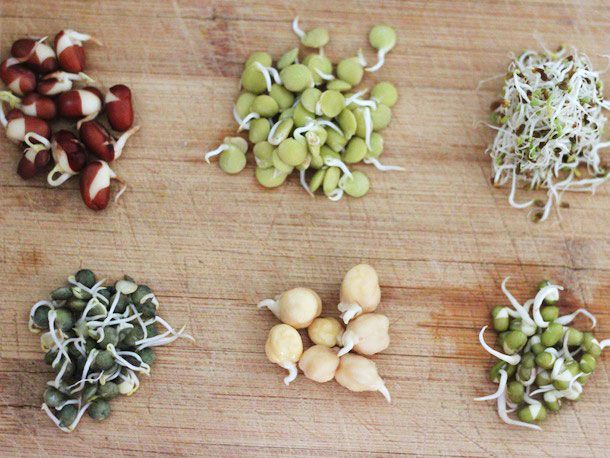

Who knew that just adding water to your favorite organic grains could unlock so much potential? Sprouted grains are nature’s little miracles as they have almost three times the nutrients of legumes and beans, can help with digestion and weight loss and they are packed with fiber too.
The sprouted grains that are popping up in your veggie aisle, healthy snacks and organic bread are there for good reason; packed with vitamins, fiber, and protein, these pint-sized sprouts sure pack a healthy punch!
At Shasha Horizon, we believe that sprouted ancient grains represent the optimal expression of grain nutrition. This article reveals the science behind sprouted grains and shows you why they deserve a central place in your diet.
The Sprouting Transformation: Unlocking Grain Nutrition Potential
How Sprouting Multiplies Nutrient Density
Research shows that sprouting frees the embodied energy of grains and improves the vitamin content up to 24 times. From the study: “…germination dramatically increased total phenolic compounds and total flavonoids up to 4.5 and 6.8 times. Quercetin-3-O-glucoside content was significantly increased in mung bean sprouts after germination. The total antioxidant activity of mung bean sprouts was increased by 6 times.”
This transformation is remarkable. A grain that has been dormant—waiting for the right conditions to grow—suddenly comes alive with enzymatic activity, releasing nutrients that were previously locked away.
Superior Nutrient Absorption
As humans, we aren’t able to break down or absorb all nutrients from the food we eat but by eating sprouted products we are able to absorb a minimum of 3 times more nutrients from our favorite foods.
This is the crucial distinction: it’s not just that sprouted grains contain more nutrients—they contain nutrients in forms your body can actually absorb and utilize. Whole grains contain phytic acid that binds minerals, preventing absorption. Sprouted grains eliminate this barrier, making minerals bioavailable.
Discover Shasha Horizon Farmhouse’s sprouted grain products that maximize nutrient absorption and digestibility.
The Nine Transformative Benefits of Sprouted Grains
Nutritional Advantages That Change Everything
Sprouted grains have many positive attributes that fundamentally transform their nutritional profile:
Removing Anti-Nutrients:
- Sprouted grains remove or reduce phytic acid and tannins
- They prevent mineral deficiencies and bone loss
- Sprouted grains neutralize enzyme inhibitors
Supporting Optimal Body Function:
- When sprouted, grains encourage the body’s production of beneficial enzymes
- Sprouting of grains increases the amount of vitamins, especially B vitamins
- They prevent many diseases and conditions
Improving Digestibility:
- Sprouted grains are able to break down gluten and make digestion easier
- They make proteins easier to absorb
- Sprouted grains help neutralize toxins in the colon and keep it clean
This comprehensive transformation means that sprouted grains deliver nutrition that your body can actually use, while simultaneously removing compounds that prevent nutrient absorption.
Enzymes: The Living Force in Sprouted Grains
Why Enzyme Content Matters for Digestion
Studies show that sprouting releases an incredible enzyme content in the plant and sprouted grains can have up to 100 times more enzymes than raw fruits and vegetables. Enzymes are special proteins that enable your body to function optimally; ensuring that essential fatty acids, amino acids, vitamins and minerals are effectively extracted from your food during digestion.
This enzyme abundance is what makes sprouted grains so digestible. Your digestive system doesn’t have to work as hard to break down the food—the sprouting process has already begun this work.
The Enzyme Inhibitor Problem in Unsprouted Grains
Unsprouted grains may contain enzyme inhibitors. These attach to enzymes (which help us break down and digest food) and prevent them from doing their jobs. When grains are sprouted, enzyme inhibitors are neutralized.
This is why people with sensitive digestion often find sprouted grains far easier to tolerate than whole grains. The enzyme inhibitors that trigger digestive distress have been eliminated through sprouting.
Vitamin Superpower: The Complete Vitamin Profile
Supersize Your Vitamin Intake With Sprouted Grains
Sprouted grains are packed with vitamins A, B-complex, C and E. An analysis of existing studies by JK Chavan and SS Kadam found that: “Sprouting of grains for a limited period causes increased activities of hydrolytic enzymes, improvement in the contents of certain essential amino acids, total sugars, and B-group vitamins, and a decrease in dry matter, starch, and antinutrients. The digestibilities of storage proteins and starch are improved due to their partial hydrolysis during sprouting.”
Sprouted grains provide:
- Vitamin A – Eye health, immune function, skin health
- B-complex vitamins – Energy production, nervous system function, stress resilience
- Vitamin C – Immune support, collagen production, antioxidant defense
- Vitamin E – Antioxidant protection, cellular health
This vitamin profile makes sprouted grains excellent for anyone seeking optimal nutritional support.
Fiber: The Weight Loss and Digestive Health Champion
Why Fiber From Sprouted Grains Is Superior
The fiber content of sprouts is considerably higher than the beans, legumes, nuts, seeds, or grains from which they grew. Fiber isn’t only essential to effective digestion; it is also a crucial factor in weight loss.
Fiber is the bouncer of the body as it binds to fats and toxins and shows them out the door. By eliminating these compounds, fiber reduces calorie absorption, improves satiety, and supports healthy weight management.
The Soluble Fiber Advantage
German researchers sprouted wheat grains for up to 1 week, testing them at various stages to ascertain the effects germination had on nutrient levels. They found that sprouting decreased gluten proteins significantly and increased folate.
When the wheat was germinated for longer periods, it resulted in a substantial increase of dietary fiber, with a remarkable tripling in soluble fiber. Soluble fiber is particularly valuable because it:
- Lowers cholesterol
- Stabilizes blood sugar
- Feeds beneficial bacteria
- Increases satiety
- Supports healthy weight management
Learn about Shasha Horizon’s sprouted grain and legume products.
Sprouted Grain Rice Fights Diabetes: Blood Sugar Control
Clinical Evidence of Sprouted Rice and Diabetes Prevention
In a Japanese study, six men and five women with impaired fasting glucose (pre-diabetes) or type 2 diabetes were asked to eat either white rice or sprouted brown rice three times a day. After two weeks, the subjects switched grains.
Researchers reported that: “blood concentrations of fasting blood glucose, fructosamine, serum total cholesterol and triglycerol were favorably improved on the sprouted brown rice diet but not on the white rice diet”.
This means that sprouted brown rice may help control blood sugar. This is profound: a simple change from regular rice to sprouted rice produced measurable improvements in blood sugar control within just two weeks.
Why Sprouted Grains Support Blood Sugar Health
Sprouted grains improve blood sugar control through multiple mechanisms:
- Lower glycemic index (slower glucose absorption)
- Higher fiber content (slows carbohydrate digestion)
- Increased enzyme activity (improved nutrient processing)
- Elimination of enzyme inhibitors (better metabolic function)
- Increased B vitamins (enhanced glucose metabolism)
For anyone concerned about diabetes or blood sugar control, sprouted grains represent a practical, food-based intervention.
Healthy Hearts: Cholesterol and Cardiovascular Protection
Sprouted Grains and Cholesterol Reduction
A Korean study discovered that rats with high cholesterol benefitted substantially from a diet of sprouted grains and found an increase in their ‘good’ cholesterol (plasma HDL-cholesterol) levels. The study concluded: “consumption of germinated giant embryonic rice is effective in lowering atherosclerosis cardiovascular disease risk.”
While animal studies don’t always translate perfectly to humans, this finding is supported by the fiber, antioxidant, and nutrient content of sprouted grains. The compounds that make sprouted grains so nutritious are exactly the compounds that support cardiovascular health.
The Comprehensive Cardiovascular Benefit
Sprouted grains support heart health through:
- Fiber – Reduces LDL cholesterol and improves cholesterol profiles
- Antioxidants – Prevent oxidative damage to blood vessels
- B vitamins – Support healthy homocysteine levels (high homocysteine increases heart disease risk)
- Magnesium – Supports heart rhythm and blood pressure
- Potassium – Supports cardiovascular function
By choosing sprouted grains, you’re investing in long-term cardiovascular health.
Sprouting Rye Increases and Protects Folates: The B Vitamin Advantage
How Sprouting Increases Folate Bioavailability
Researchers in Finland found that when rye is sprouted, the folate content increases by 1.7- to 3.8 percent (depending on germination temperature). Researchers found that heat treatments (like those used in puffed cereals) caused significant folate losses.
If the rye was sprouted first and then exposed to the heat treatments, folate losses were minimized which means sprouting is a useful tool for protecting nutrients during food processing.
Why Folate Matters
Folate (vitamin B9) is essential for:
- Cell division and DNA synthesis
- Nervous system development and function
- Homocysteine metabolism (high homocysteine increases heart disease and cognitive decline risk)
- Mental health and mood stability
- Pregnancy health and fetal development
By choosing sprouted rye and sprouted grains, you’re ensuring adequate folate intake even after processing.
Building Your Sprouted Grain Strategy
Incorporating Sprouted Grains Into Your Diet
Sprouted grains work at every meal:
Breakfast:
- Sprouted grain oatmeal with berries and nuts
- Sprouted grain toast with avocado
- Sprouted grain cereals
Lunch:
- Sprouted grain bread sandwiches
- Sprouted grain salad bases
- Sprouted grain wraps
Snacks:
- Bio-Bud sprouted grain snacks
- Sprouted grain crackers
- Sprouted grain energy bars
Dinner:
- Sprouted brown rice as a grain base
- Sprouted grain pasta
- Sprouted grain flour for baking
The Ancient Grains Advantage
Ancient grains (quinoa, amaranth, spelt, einkorn) offer additional advantages:
- Often lower in gluten than modern wheat
- Higher nutrient density than modern grain varieties
- More interesting flavors and textures
- Support for agricultural biodiversity
- Better digestibility
When combined with sprouting, ancient grains become nutritional powerhouses that support optimal health.
Discover Shasha Horizon’s ancient grain and sprouted grain products.
Conclusion: The Future of Grain Nutrition Is Sprouted
The science is clear: sprouting transforms grains from good food into nutritional superstars. By multiplying nutrient content, improving bioavailability, eliminating anti-nutrients, and flooding grains with beneficial enzymes, sprouting optimizes grain nutrition in every measurable way.
This isn’t a trend or fad. It’s a return to traditional food preparation methods that ancient cultures understood intuitively—even before we had science to explain why sprouting makes food so much more nutritious.
When you choose sprouted grains, you’re choosing:
- Three times more absorbed nutrients
- Dramatically improved digestion
- Better blood sugar control
- Superior cardiovascular health
- Complete vitamin and mineral profiles
- Maximum enzyme content
- Optimal nutrient bioavailability
Ancient grains prepared through sprouting represent the pinnacle of grain nutrition. They’re why sprouted products deserve their place in your diet and why they’re truly the best thing since sliced bread.
Sprouted grains are ancient wisdom meets modern science—optimal nutrition in every bite.
Discover sprouted ancient grains and whole foods at Shasha Horizon