
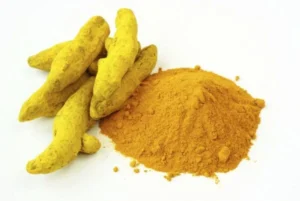
Since time immemorial, turmeric has woven its magic as a panacea bringing healing with its brilliant color and soothing flavor. Many cultures have benefited from the use of turmeric as a spice and healing additive and now science is confirming what 4000 years of Ayurvedic medicine already knew; that turmeric is an invaluable ally in the fight against disease.
At Shasha Horizon, we believe that the most powerful medicines often come from the foods we eat. Turmeric represents exactly this philosophy: a humble spice whose therapeutic power has been recognized for millennia and is only now being fully understood by modern science. This article explores turmeric’s extraordinary healing properties and shows you how to incorporate this remarkable herb into your daily life.
The Ancient Wisdom of Turmeric: 4,000 Years of Healing Validation
Understanding Turmeric’s Historical Use
Since time immemorial, turmeric has been central to traditional medicine systems, particularly Ayurvedic medicine from India. For four thousand years, healers have recognized turmeric’s unique ability to address multiple health conditions simultaneously—a characteristic that modern science is only now beginning to understand.
The fact that turmeric has remained central to healing practices across multiple cultures for four millennia isn’t coincidence. It’s consistent evidence that this herb genuinely works. When a remedy survives four thousand years of human experience and is validated across unrelated cultures separated by geography and language, that’s powerful evidence of efficacy.
Why Modern Science Validates Ancient Knowledge
Modern scientific research isn’t replacing traditional knowledge about turmeric—it’s explaining the mechanisms by which turmeric works. This research reveals that ancient healers identified something genuinely important, even if they didn’t understand the biochemistry behind it.
This represents a crucial shift in how we view traditional medicine: rather than dismissing practices because they predate scientific understanding, we can investigate why these practices work and integrate this knowledge into modern health approaches.
Learn about Shasha Horizon’s commitment to whole food healing.
Curcumin: Understanding Turmeric’s Active Healing Compound
What Is Curcumin?
Curcumin, the active ingredient in turmeric, is the compound responsible for turmeric’s therapeutic effects and its distinctive golden color. While turmeric contains hundreds of bioactive compounds, curcumin is the primary agent responsible for most of turmeric’s documented health benefits.
Understanding curcumin helps explain why turmeric is so remarkably effective: a single compound addresses multiple disease processes simultaneously through different biochemical mechanisms. This makes turmeric unusual—most pharmaceuticals target a single pathway; curcumin targets many.
Why One Compound Addresses Multiple Conditions
Curcumin’s effectiveness across multiple health conditions stems from its fundamental action: it modulates inflammatory processes and protects cells from oxidative damage. Since inflammation and oxidative stress underlie most chronic diseases, addressing these root causes produces benefits across multiple conditions.
This is profoundly different from pharmaceutical approaches that typically target specific symptoms in specific conditions. Curcumin addresses the fundamental biological processes driving multiple disease categories.
Turmeric as Remedy: Comprehensive Health Applications
Antioxidant Protection Against Free Radical Damage
A powerful anti-oxidant, turmeric is able to fight free radicals and prevent some of the damage they cause.
Free radicals are unstable molecules created through normal metabolism and environmental exposure that damage cells, accelerate aging, and contribute to virtually all chronic diseases. Antioxidants neutralize free radicals before they cause damage.
Turmeric’s antioxidant power is extraordinarily potent—among the highest of all plant foods. This means consistent turmeric consumption provides ongoing cellular protection against the oxidative stress that drives aging and disease.
Anti-Inflammatory Action for Joint and Tissue Health
Curcumin helps to reduce inflammation in the body and has applications for those who suffer from arthritis, swelling and muscle strains or inflammation from injury or surgery.
Inflammation is the fundamental problem in arthritis, with chronic inflammatory cascade destroying joint tissues. Curcumin addresses this at the source by modulating inflammatory signaling. Research shows that curcumin can be as effective as some anti-inflammatory medications without the associated side effects.
For those recovering from injury or surgery, turmeric supports the inflammatory resolution process that’s necessary for healing while preventing the chronic inflammation that can develop when inflammation doesn’t resolve properly.

Cardiovascular Protection Through Multiple Mechanisms
Turmeric stops platelets from bonding together to form blood clots. Turmeric reduces cholesterol.
These dual mechanisms make turmeric valuable for cardiovascular health:
- Anti-clotting action – Reduces the risk of dangerous blood clots
- Cholesterol reduction – Supports healthy lipid profiles
- Blood vessel protection – Reduces inflammation in arterial walls
- Blood pressure support – Anti-inflammatory action supports healthy pressure
- Angina relief – Reduces the chest pain of heart disease
For anyone with cardiovascular disease risk factors or existing heart disease, turmeric offers multi-system protection.
Rheumatism and Joint Disease
It’s promoted as an excellent treatment for rheumatism.
Rheumatism—chronic inflammatory joint disease—responds particularly well to turmeric because curcumin addresses both the inflammatory component and the pain component simultaneously. Many people with rheumatism report substantial improvement in mobility and pain reduction when consuming turmeric regularly.
Antimicrobial Protection Against Infections
It is also used as an anti-bacterial, to clean wounds and to fight viruses; even those as strong as hepatitis and HIV.
Turmeric’s antimicrobial properties extend across bacteria, viruses, and fungi. This makes it valuable for:
- Wound disinfection – Preventing infection in cuts and scrapes
- Bacterial infections – Supplementing standard antibiotics
- Viral infections – Supporting immune function against viral attack
- Fungal infections – Combating candida and other fungal conditions
The fact that turmeric demonstrates activity against serious viruses like hepatitis and HIV reveals the potency of its antimicrobial mechanisms.
Liver Protection and Support
Turmeric protects against liver disease. It stimulates the gallbladder and circulatory systems.
Your liver is your primary detoxification organ, working constantly to process and eliminate toxins from food, air, and metabolic byproducts. Turmeric supports liver function through:
- Hepatocyte protection – Protecting liver cells from damage
- Bile production – Supporting gallbladder and liver function
- Detoxification enzyme activation – Enhancing natural detoxification
- Anti-inflammatory liver support – Reducing liver inflammation
Gastrointestinal Health and Digestive Support
It cures digestive problems such as irritable bowel syndrome, colitis, Crohn’s disease, and illnesses caused by toxins from parasites and bacteria.
These serious digestive conditions all involve inappropriate inflammation in the gut. Turmeric addresses this inflammation while supporting the intestinal barrier and beneficial bacterial populations.
For those with digestive sensitivities, turmeric provides both anti-inflammatory support and antimicrobial action against harmful organisms. Regular consumption often produces dramatic improvements in digestive comfort and function.
Bleeding Reduction and Menstrual Support
It reduces external and internal bleeding, and relieves painful menstruation.
Turmeric’s hemostatic (bleeding-reduction) properties and its ability to modulate inflammatory pain make it valuable for menstrual health. Women experiencing heavy periods or painful menstruation often find significant relief with regular turmeric consumption.
Cognitive Protection: The Alzheimer’s Prevention Breakthrough
A Duke University study found that turmeric was able to block the formation of beta-amyloid, responsible for the plaques that cause Alzheimer’s disease.
This finding is remarkable: turmeric can prevent the formation of the pathological proteins that accumulate in Alzheimer’s disease brains. This isn’t just symptom management—it’s disease prevention at the biochemical level.
For anyone with family history of Alzheimer’s or cognitive decline concerns, turmeric represents a potentially life-changing dietary intervention.
Cancer-Fighting Properties: Turmeric’s Most Extraordinary Application
Understanding Turmeric’s Anti-Cancer Mechanisms
Turmeric has been shown to fight a number of cancers, reduce cancerous tumors and mitigate some of the harmful effects of chemotherapy.
The cancer-fighting properties of turmeric work through multiple mechanisms simultaneously:
- Cell cycle arrest – Preventing cancer cells from dividing
- Apoptosis induction – Triggering cancer cell death
- Angiogenesis inhibition – Preventing blood vessel formation that tumors need
- Metastasis prevention – Blocking cancer cell spread
- Immune enhancement – Supporting the immune system’s cancer-fighting ability
No single pharmaceutical achieves this multi-system anti-cancer action. Turmeric’s ability to address cancer through multiple pathways simultaneously makes it uniquely valuable.
Scientific Validation From the Cancer Society
From the Cancer Society site: “Studies show that curcumin may prevent and treat several types of cancers, including prostate, breast, skin and colon cancer. Curcumin, an active ingredient in turmeric, is an antioxidant. Antioxidants are compounds that protect the cells from damage caused by activated molecules known as free radicals. Laboratory studies show that curcumin interferes with several important molecular pathways involved in the growth, spread and development of cancer.”
This official endorsement from a major cancer research organization represents significant validation. The research shows curcumin:
- Prevents cancer development – Protects healthy cells from becoming cancerous
- Treats existing cancer – Inhibits growth of existing tumors
- Reduces spread – Prevents metastasis to other tissues
- Protects against chemotherapy effects – Mitigates side effects while enhancing efficacy
Cancer Types With Documented Benefits
The research specifically identifies benefits for:
- Prostate cancer – Particularly relevant for men
- Breast cancer – Particularly relevant for women
- Skin cancer – Both prevention and treatment applications
- Colon cancer – Supporting digestive health and cancer prevention
- Other cancers – Research continues to identify benefits across additional cancer types
For anyone with cancer diagnosis or family history of cancer, turmeric represents a evidence-based nutritional intervention worth discussing with healthcare providers.
How to Get Turmeric Into Your Daily Diet
Culinary Integration: The Easiest Approach
Adding organic turmeric to your gravies, stews and curries is a great way to include it in your daily diet. You can also add it to rice for a delightful burst of color or to roasted veggies.
This is the simplest way to get turmeric regularly: incorporate it into the foods you’re already preparing. Turmeric’s warm, slightly bitter flavor complements:
- Soups and stews – Particularly vegetable and legume-based
- Curries – Both mild and spiced versions
- Rice dishes – Turmeric creates golden color and subtle flavor
- Roasted vegetables – Adds warmth and depth to roasted root vegetables
- Grains – Quinoa, millet, or other whole grains
- Legume dishes – Beans, lentils, chickpeas
The advantage of culinary use: you’re consuming turmeric with food, which enhances absorption and reduces the risk of digestive upset.
Beverage Options: Turmeric Tea and Golden Milk
Add it to smoothies or make a tea from one teaspoon turmeric simmered in a cup of milk with a little honey or carob molasses to sweeten.
Simple Turmeric Tea Recipe:
- 1 teaspoon ground turmeric
- 1 cup milk (dairy or plant-based)
- 1 teaspoon honey or carob molasses
- Pinch of cinnamon (optional)
- Pinch of ginger (optional)
Simmer turmeric in milk for 5-10 minutes, strain if desired, sweeten with honey, and drink warm. This provides a concentrated dose of turmeric in a comforting beverage.
Golden Milk (Enhanced Version):
- 1 teaspoon turmeric
- 1/2 cup milk
- 1/2 cup water or broth
- 1 tablespoon coconut oil or ghee
- 1/2 teaspoon cinnamon
- Pinch of ground ginger
- Pinch of black pepper
- Honey or maple syrup to taste
Simmer all ingredients except honey for 10 minutes, strain, sweeten, and drink warm.
Concentrated Forms for Higher Doses
For higher doses, consider turmeric in extract, tincture or supplement form.
While culinary use provides consistent baseline nutrition, concentrated forms allow higher doses for specific health conditions. These forms include:
- Turmeric extracts – Concentrated curcumin in powder form
- Turmeric tinctures – Alcohol-extracted concentrated form
- Turmeric supplements – Encapsulated curcumin, often with additional absorption enhancers
- Liposomal turmeric – Special formulation for enhanced absorption
For anyone addressing specific health conditions—arthritis, inflammation, or cancer prevention—concentrated forms may provide therapeutic benefits beyond culinary use.
The Black Pepper Enhancement: Increasing Absorption 2000%
Adding black pepper when you consume turmeric will increase the absorption into your bloodstream by 2000%, so be sure to season your food before you enjoy a healthy meal with turmeric.
This is crucial: black pepper contains piperine, a compound that dramatically enhances curcumin absorption. Without black pepper, turmeric is poorly absorbed and much of the benefit is lost. With black pepper, absorption increases 2000-fold.
This means:
- Always combine turmeric with black pepper – In every preparation
- This applies to all forms – Culinary use, tea, and supplements
- The amount matters – Even 1/4 teaspoon black pepper makes significant difference
- Timing matters – Consume together for maximum effect
Never consume turmeric without black pepper if you’re seeking health benefits. The combination is non-negotiable for meaningful absorption.
Building Your Turmeric Practice: Practical Integration Strategies
Daily Turmeric Consumption for Optimal Benefits
For consistent health benefits, aim to consume turmeric daily through multiple routes:
Daily turmeric strategy:
- Morning – Add turmeric to breakfast: eggs, oatmeal, or golden milk
- Lunch – Include turmeric in cooked vegetables or grains
- Dinner – Use in curries, stews, or rice dishes
- Evening – Golden milk or turmeric tea before bed
- Throughout day – Consistent consumption maintains therapeutic levels
This multi-exposure approach ensures steady curcumin levels in your bloodstream rather than sporadic dosing.
Quality Considerations: Choose Organic Turmeric
Always select organic turmeric to avoid pesticide residues and ensure the integrity of this healing herb. Quality matters: premium turmeric should be vibrant gold color, indicating high curcumin content.
Store turmeric in airtight containers away from direct light, as curcumin degrades with light exposure. Properly stored turmeric retains potency for 6-12 months.
Customizing Your Turmeric Approach Based on Your Goals
For general health and disease prevention: Culinary incorporation with black pepper provides adequate curcumin.
For specific conditions (arthritis, inflammation, digestive issues): Combine culinary use with golden milk or concentrated supplements.
For serious disease (cancer prevention, Alzheimer’s prevention, cognitive protection): Discuss with healthcare providers; higher doses through concentrated forms may be warranted.
For post-surgery or injury recovery: Increased turmeric consumption supports inflammatory resolution.
Conclusion: Turmeric as Preventative Medicine for a Longer, Healthier Life
The convergence of four thousand years of traditional use with modern scientific validation makes turmeric arguably the most important herb available. While no single food is a cure-all, turmeric comes remarkably close—addressing inflammation, oxidative stress, and disease processes that underlie most chronic conditions.
By incorporating turmeric into your daily practice, you’re:
- Protecting your cells – Through powerful antioxidant action
- Reducing inflammation – At multiple biological levels
- Supporting vital organ function – Liver, heart, brain, and digestive system
- Preventing serious disease – Cancer, Alzheimer’s, and cardiovascular disease
- Enhancing quality of life – Through pain reduction and improved function
The question isn’t whether turmeric is important—the scientific evidence makes this clear. The question is whether you’re consuming it consistently and correctly (with black pepper) to receive its extraordinary benefits.
Start today. Add turmeric to tonight’s dinner. Make golden milk tonight. Commit to daily turmeric consumption. Watch as your inflammation decreases, your energy increases, and your body’s natural healing capacity activates.
Turmeric: Four thousand years of wisdom. Modern science validation. Extraordinary healing power. Make it part of your daily practice.
Discover whole foods and natural healing herbs at Shasha Horizon