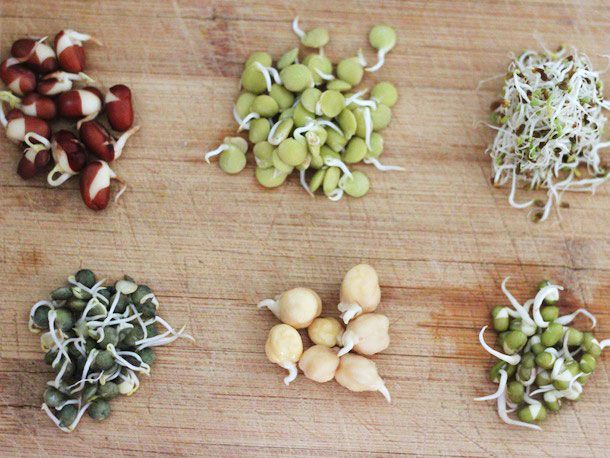

About sprouting and germinating: there are many foods that can be sprouted including vegetables seeds, grains, beans and legumes. At Shasha Horizon, we’re passionate about sprouting because this ancient preparation method transforms seeds from their dormant, nutrient-locked state into nutritional powerhouses. This article explains the science behind sprouting, reveals the specific nutritional transformations occurring during germination, and shows why sprouted foods provide superior nutrition compared to their unsprouted counterparts.
Understanding Sprouting: Nature’s Nutritional Lock and Key
The Phytic Acid Barrier: Nature’s Seed Protection Mechanism
Sprouting essentially boosts the nutrition that is available to us from the seed. Each seed, by nature is coated in phytic acid (and prohibitor enzymes) a natural substance that prevents the carbohydrates in the seed from being broken down in our digestive tract.
This reveals a fundamental truth: seeds are nutritionally complete but locked. The phytic acid coating isn’t a flaw—it’s evolutionary wisdom. Seeds contain everything needed to grow a plant, but that nutrition is protected from being prematurely digested.
The purpose of phytic acid:
- Seed protection – Prevents germination in unsuitable conditions
- Nutrient preservation – Keeps nutrition intact until sprouting occurs
- Anti-predation – Discourages animals from eating seeds before they reach soil
- Nutrient storage – Binds minerals (calcium, magnesium, zinc, iron) for the developing plant
Why Phytic Acid Prevents Carbohydrate Digestion
This phytic acid is nature’s way of protecting the seed from being eaten by animals, birds and insects before it contacts the soil and grows.
The phytic acid coating means unsprouted seeds pass through the digestive system largely undigested. Humans cannot absorb the nutrients from unsprouted seeds efficiently because the phytic acid blocks carbohydrate breakdown and mineral absorption. This means eating unsprouted seeds provides minimal nutritional benefit despite the seeds containing complete nutrition.
The Sprouting Solution: Breaking Through the Phytic Acid Barrier
When we take a seed and sprout them, we essentially break down the phytic acid barrier (and the prohibitor enzymes) so that our digestive systems can absorb and digest all the carbohydrates and all the abundant nutritional elements provided by each seed.
This is where sprouting’s magic occurs. When sprouting begins—triggered by moisture and warmth—the seed’s protective barriers dissolve. The phytic acid breaks down. The prohibitor enzymes deactivate. Suddenly, all the nutrition locked inside becomes available for absorption.
The sprouted seed transforms from “protected dormant nutrition” to “fully accessible nutritional powerhouse” in just days. This transformation is what makes sprouted foods so nutritionally superior.
Learn about Shasha Horizon’s commitment to sprouted grain nutrition.
The Nutritional Transformation: How Sprouting Converts Seeds Into Superfoods
Enzyme Activation: The Key to Full Nutritional Availability
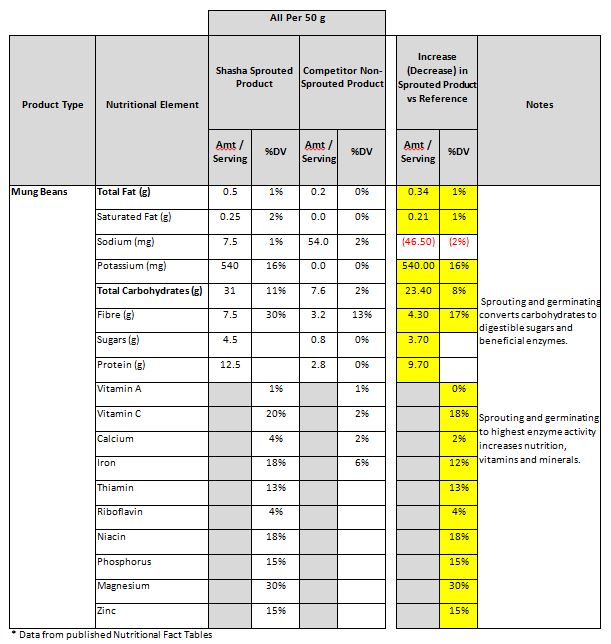
Sprouting and germinating legumes, pods, grains or seeds to the highest enzyme activity converts carbohydrates to digestible sugars and active enzymes – increasing the nutritional value of vitamins and minerals and bringing full digestibility to carbohydrates.
Enzyme activation represents the central mechanism of sprouting’s transformative power. Enzymes are biological catalysts that break down complex compounds into simpler, absorbable forms. During sprouting:
- Amylase enzymes – Break down starch into digestible sugars
- Protease enzymes – Break down proteins into amino acids
- Lipase enzymes – Break down fats into fatty acids
- Phytase enzymes – Break down phytic acid, releasing bound minerals
These enzymes increase up to 100 times their levels in unsprouted seeds. This enzymatic explosion transforms the seed’s chemistry fundamentally.
The Specific Nutritional Increases From Sprouting
Vitamin increases from sprouting:
- Vitamin A – Increases up to 24 times in some sprouted seeds
- B vitamins – Thiamine, riboflavin, niacin, B6, and folate increase substantially
- Vitamin C – Increases dramatically in sprouted seeds
- Vitamin K – Increases significantly in leafy sprouted seeds
- Bioavailability – All vitamins become more bioavailable through enzyme activation
Mineral increases and availability from sprouting:
- Calcium – Becomes available through phytic acid breakdown
- Magnesium – Released from phytic acid binding
- Iron – More bioavailable as phytic acid releases it
- Zinc – More absorbable after phytic acid breakdown
- Copper and manganese – Become available through sprouting
- Overall mineral bioavailability – Increases dramatically compared to unsprouted seeds
The Emergence of Previously Unavailable Nutrients
Some of the vitamins and minerals that do not appear in non-sprouted products become available as a result of sprouting.
This is remarkable: sprouting literally creates nutrients that don’t exist in unsprouted seeds. These aren’t nutrients simply made more bioavailable—they’re nutrients synthesized during the sprouting process itself. The germinating seed literally creates new nutrients as it begins growth.
This explains why sprouted seeds are so nutritionally superior: they contain the seed’s original nutrition plus the new nutrients synthesized during germination.
Carbohydrate Conversion: From Complex to Digestible
The conversion of carbohydrates from complex forms to digestible sugars during sprouting provides multiple benefits:
- Easier digestion – Digestible sugars require less enzyme demand from your digestive system
- Faster absorption – Simple sugars absorb more quickly than complex carbohydrates
- Reduced gas and bloating – Simpler carbohydrates don’t require bacterial fermentation
- Better blood sugar stability – Sprouted seeds’ lower glycemic impact from enzyme-converted sugars
- Increased satiety – More nutrients absorbed means greater fullness
The Additional Benefits of Sprouting: Beyond Nutrition
Enhanced Flavor: Why Sprouted Foods Taste Better
There are other benefits of sprouting. These include enhanced flavour and shortened cooking time.
Sprouting changes seeds’ flavor profiles through:
- Sugar development – Carbohydrate conversion to sugars increases sweetness naturally
- Enzyme changes – Create new flavor compounds through chemical reactions
- Moisture changes – Increase palatability and flavor intensity
- Texture changes – From hard seed to tender sprout creates pleasant texture
Sprouted foods genuinely taste better—not just nutritionally superior, but more delicious. This explains why sprouted grains and legumes are increasingly popular in fine dining and health-conscious cooking.
Shortened Cooking Time: The Practical Benefit
Cooking sprouted seeds and legumes requires substantially less time than unsprouted versions:
Cooking time comparison:
- Unsprouted beans – 1-2 hours or more, plus overnight soaking
- Sprouted beans – 20-30 minutes or can be eaten raw
- Unsprouted grains – 45-60 minutes cooking time
- Sprouted grains – 15-25 minutes or can be eaten as sprouts
- Unsprouted legumes – Up to 3 hours for some varieties
- Sprouted legumes – Often edible raw or with minimal cooking
This time savings makes sprouted foods practical for busy lifestyles. Quick cooking means fresh preparation becomes feasible even during busy weekdays.
Extended Shelf Life: The 500% Improvement
Sprouting also increases the shelf-life of products 500% due to the conversion of carbohydrates to digestible sugars – preventing water molecules from dispersing.
This is fascinating: sprouting fundamentally changes the seed’s water retention properties. The carbohydrate conversion creates a structure that holds water more effectively. This prevents dehydration and spoilage, extending shelf life dramatically.
Why extended shelf life matters:
- Practical storage – Sprouted products stay fresh longer without refrigeration
- Reduced waste – Can purchase and store without rapid spoilage
- Emergency preparedness – Long shelf life makes sprouted foods valuable for emergency supplies
- Cost efficiency – Reduced spoilage means fewer wasted purchases
Sprouting at Home: Practical Guide to Unlocking Seed Nutrition
Which Seeds, Grains, Beans, and Legumes to Sprout
Almost any seed can be sprouted successfully:
Excellent sprouting candidates:
- Legumes – Mung beans, lentils, chickpeas, adzuki beans, black beans
- Grains – Wheat, spelt, barley, quinoa, amaranth, millet
- Seeds – Broccoli seeds, radish seeds, alfalfa seeds, sunflower seeds
- Nuts – Almonds (activate rather than sprout, but similar principle)
- Leafy – Clover, mustard seeds, fenugreek
Basic Sprouting Method
Simple jar sprouting (most common method):
- Place seeds in jar – Fill 1/3 to 1/2 full with desired seeds
- Rinse thoroughly – Drain water completely
- Soak overnight – Cover with water, let sit 8-12 hours
- Drain completely – Pour off water; keep seeds moist but not waterlogged
- Rinse twice daily – Morning and evening; drain completely each time
- Continue 3-7 days – Until sprouts reach desired length (1/4 to 1/2 inch)
- Final rinse – Thoroughly rinse sprouted seeds
- Store – Refrigerate in sealed container; keeps 5-7 days
Troubleshooting Common Sprouting Issues
Common problems and solutions:
- Mold or fermentation – Increase rinsing frequency; ensure complete drainage
- Seeds not sprouting – Ensure adequate moisture and warmth; some seeds require scarification
- Sprouts too long – Reduce sprouting time; harvest when desired size reached
- Sprouts drying out – Increase humidity by covering jar or rinsing more frequently
- Musty smell – Increase drainage and air circulation; rinse more frequently
Discover Shasha Horizon’s sprouted grain products that provide professional-quality sprouted nutrition without home sprouting effort.
Incorporating Sprouted Foods Into Your Diet
Adding Sprouted Seeds and Legumes to Existing Meals
Easy sprouted food integration:
- Salads – Add sprouted seeds, legumes, or leafy sprouts to salads
- Sandwiches – Layer sprouted legumes or leafy sprouts on bread
- Smoothies – Blend sprouted seeds or grains into smoothies
- Grain bowls – Use sprouted grains as the grain base
- Soups – Add sprouted legumes to vegetable soups
- Stir-fries – Include sprouted vegetables and legumes
- Breads – Bake with sprouted grain flour for superior nutrition
Sprouted Grain and Legume Products for Convenience
For those without time for home sprouting:
Ready-to-use sprouted products:
- Sprouted grain breads – Convenient daily sprouted grain incorporation
- Sprouted legume snacks – Crunchy, nutritious ready-to-eat options
- Sprouted grain cereals – Nutritious breakfast choices
- Sprouted grain flours – For baking with sprouted nutrition
- Pre-sprouted seeds and legumes – Available refrigerated or freeze-dried
The Nutritional Superiority: Why Sprouted Foods Are Worth the Effort
The Complete Nutritional Package: Why Sprouting Transforms Foods
Sprouted foods represent one of the few nutritional interventions that actually transforms food rather than simply supplementing it. Unlike vitamin supplements providing isolated nutrients, sprouting provides:
- Complete nutrient availability – All original nutrition becomes bioavailable
- New synthesized nutrients – Additional vitamins created during sprouting
- Enzyme activation – Supporting digestion and nutrient absorption
- Reduced anti-nutrients – Phytic acid and other enzyme inhibitors eliminated
- Enhanced flavor – Making nutritious food genuinely delicious
- Practical benefits – Shorter cooking, extended shelf life, easier digestion
The Cumulative Health Impact of Sprouted Food Consumption
Regular consumption of sprouted foods creates measurable health improvements:
- Improved digestion – Reduced bloating, gas, and digestive discomfort
- Enhanced nutrient status – Better mineral and vitamin absorption
- Stable energy – Better blood sugar control from sprouted foods
- Improved satiety – Nutrient density creates lasting fullness
- Better health markers – Improvements in cholesterol, blood sugar, inflammation
Conclusion: Unlock Nutritional Potential Through Sprouting and Germination
Sprouting and germinating seeds, grains, and legumes represents one of the oldest and most powerful nutritional preparation methods. By breaking down phytic acid barriers, activating enzymes, and synthesizing new nutrients, sprouting transforms seeds from nutrient-locked dormancy into nutritional powerhouses.
Your sprouted food integration strategy:
- Start with sprouted grain breads – The easiest daily incorporation method
- Experiment with home sprouting – Jars and simple methods make sprouting accessible
- Try sprouted legumes – In salads, soups, and grain bowls
- Purchase quality sprouted products – From trusted sources ensuring proper sprouting
- Learn sprouting techniques – Understanding optimal sprouting for different seeds
- Teach others about sprouting – Share knowledge about this transformation
- Make sprouted foods your foundation – Replace unsprouted seeds and grains
- Monitor health improvements – Expect digestion improvements and energy increases
- Enjoy the enhanced flavor – Sprouted foods genuinely taste better
- Embrace the nutritional abundance – Sprouted foods provide complete nutrition
By incorporating sprouted foods into your diet, you’re literally multiplying the nutritional value of the foods you consume. A single bowl of sprouted legumes contains more bioavailable nutrition than multiple bowls of unsprouted legumes. This is nutritional multiplication through understanding and respecting nature’s sprouting process.
Unlock hidden nutrition. Break through phytic acid barriers. Transform seeds into nutritional powerhouses through sprouting.
Discover Shasha Horizon’s sprouted grain products and breads that provide the complete nutritional benefits of properly sprouted seeds, grains, and legumes.