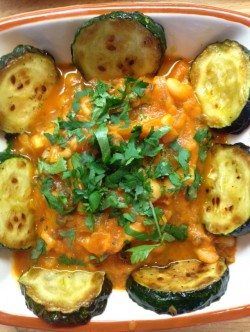

This delicious Hummus dip makes for a wonderful snack with lavash or crackers, it makes a terrific starter with fresh raw veggies or as a spread on wraps and sandwiches. Happy Meatless Monday!
At Shasha Horizon, we believe that plant-based eating doesn’t require sacrifice—it requires better ingredients. This sprouted grain hummus demonstrates exactly that philosophy: by using sprouted legumes instead of conventional chickpeas, you create a dip that’s nutritionally superior, more digestible, and more delicious than conventional hummus. This article provides the complete recipe plus guidance for making this dip a staple in your kitchen.
Why Sprouted Grain Hummus Outperforms Conventional Hummus
The Sprouted Advantage
Traditional hummus uses canned or cooked chickpeas. While acceptable, conventional hummus lacks the nutritional density of sprouted grain hummus. Sprouting transforms legumes by:
- Increasing bioavailability – Minerals and nutrients become more accessible to your body
- Enhancing amino acid profile – Creates a more complete plant-based protein
- Reducing anti-nutrients – Phytates and tannins that interfere with mineral absorption are minimized
- Activating enzymes – Which support superior digestion
- Increasing vitamin content – B vitamins increase significantly through sprouting
- Improving digestibility – Sprouted legumes are easier for your body to process
The result: a hummus that provides superior nutrition, superior digestibility, and superior satisfaction compared to conventional versions.
Why Meatless Monday Matters
Meatless Monday represents more than dietary preference—it’s a commitment to reducing environmental impact while improving personal health. Plant-based proteins like legumes require dramatically fewer resources to produce than animal proteins while delivering complete nutritional profiles.
This sprouted grain hummus provides complete protein (all nine essential amino acids) from plants, making it a genuinely adequate protein source rather than a supplement to insufficient nutrition.
Learn about Shasha Horizon’s commitment to sustainable, plant-based nutrition.
The Recipe: Sprouted Grain Hummus Choosing Your Bio-Bud™ Sprouted Grain: Understanding Your Options
Mung Beans: The Creamy Classic
Mung beans create the creamiest hummus with the mildest flavor. They’re ideal if you prefer a smooth, subtle dip that pairs well with fresh vegetables or serves as a sandwich spread. Mung bean hummus is also the most traditional option in many Asian cuisines where sprouted mung beans are staple ingredients.
Adzuki Beans: The Earthy Option
Adzuki beans create hummus with slightly sweet, earthy character. They produce a denser, more robust-flavored hummus that stands up well to bold seasonings and makes an impressive appetizer. Adzuki bean hummus works particularly well topped with toasted seeds or nuts.
Lentils: The Nutty Choice
Lentils create hummus with distinctive nutty flavor and denser texture. Lentil hummus is particularly satisfying as a sandwich spread and works beautifully with whole grain breads. The nutty flavor pairs perfectly with herbs like cilantro or parsley.
Choosing your sprouted grain:
- For mild, creamy hummus – Choose mung beans
- For robust, earthier hummus – Choose adzuki beans
- For nutty, denser hummus – Choose lentils
- For variety – Make all three and compare
Discover Shasha Horizon’s Bio-Bud™ sprouted grain options.
Complete Plant-Based Protein: Why This Hummus Satisfies
Understanding Complete Proteins in Plant Foods
Sprouted legumes combined with olive oil and lemon juice create a complete protein containing all nine essential amino acids. This means this hummus isn’t just a side dish or appetizer—it’s a genuinely adequate protein source for meals.
A serving of sprouted grain hummus with vegetables and whole grain bread provides:
- Protein – 7-10g per serving from the legumes
- Healthy fats – From olive oil, supporting satiety and nutrient absorption
- Fiber – Supporting digestive health and blood sugar stability
- Micronutrients – Iron, magnesium, zinc, folate, and B vitamins
- Antioxidants – From garlic, lemon, and the legumes themselves
This nutritional profile explains why plant-based eaters who consume legumes regularly experience superior health compared to those eating plant-based diets lacking legume sources.
Making Sprouted Grain Hummus for Meal Prep
Batch Preparation Strategy
This recipe makes approximately 8 servings, ideal for meal preparation. By preparing hummus on Sunday, you have ready-to-go protein sources throughout the week:
Weekly meal prep applications:
- Monday lunch – Spread on spelt bread with sliced tomatoes and arugula
- Tuesday snack – Served with fresh carrots, bell peppers, and celery
- Wednesday sandwich – Layer on whole grain bread with roasted vegetables
- Thursday dinner side – Serve with grilled vegetables and whole grains
- Friday appetizer – Present as a dip at gatherings with vegetable platters
Making Multiple Batches
If you eat plant-based regularly, make two batches simultaneously using different sprouted grains. This provides variety throughout the week while maximizing oven and equipment use.
Beyond Meatless Monday: Making Plant-Based Eating Sustainable
The Meatless Monday Philosophy
Meatless Monday represents more than a single day of plant-based eating—it’s an introduction to plant-based cooking that builds skills, confidence, and appreciation for legume-based foods. Those who begin with Meatless Monday often discover that plant-based meals are delicious, satisfying, and easier to prepare than anticipated.
Building Your Plant-Based Repertoire
Start with Meatless Monday hummus. Follow with other legume-based dishes throughout the week. Over time, you develop a collection of plant-based recipes that make sustainable eating effortless.
Plant-based dishes to explore:
- Legume-based dips and spreads – Hummus, white bean dip, beet hummus
- Legume-based mains – Lentil curries, bean chilis, chickpea stews
- Legume-based sides – Bean salads, lentil soups, legume pastas
- Legume-based snacks – Roasted chickpeas, edamame, legume-based energy bars
The Environmental Impact of Plant-Based Choices
Legume production requires dramatically fewer resources than animal agriculture:
- Water usage – 1/3 to 1/10 the water per pound compared to beef
- Land use – Dramatically more efficient land utilization
- Carbon footprint – Substantially lower emissions per serving
- Soil health – Legumes actually enrich soil rather than depleting it
By choosing plant-based proteins, you’re supporting environmental sustainability while improving personal health.
Serving and Pairing Suggestions: Making This Hummus Star
As a Dip
Serve this hummus with an array of fresh vegetables for a simple, elegant appetizer:
- Vegetable options – Carrots, celery, bell peppers (red, yellow, orange), broccoli, cauliflower, cherry tomatoes, snap peas, cucumber slices
- Bread options – Whole grain crackers, pita chips, toasted spelt bread pieces, lavash
As a Sandwich Spread
Layer on whole grain bread with roasted vegetables, fresh greens, and additional protein:
- Sandwich combinations – Roasted red peppers and arugula; sliced tomato and basil; roasted vegetables and sprouts; cucumber and dill
- Bread options – Organic spelt bread, whole grain sourdough, lavash, pita
As a Component of Mezze Platters
Create elegant, restaurant-quality mezze platters featuring hummus as a centerpiece:
- Components – Olives, fresh vegetables, cheese, nuts, dried fruits, whole grain crackers, fresh herbs
- Presentation – Arrange hummus in center with other components radiating outward
- Garnish – Top hummus with additional olive oil, paprika, and fresh herbs
As a Plating Element for Grains and Vegetables
Use hummus as a flavorful base or accompaniment to grain and vegetable plates:
- Grain bowls – Layer hummus on bottom of bowl, top with grains and roasted vegetables
- Vegetable plates – Use hummus as sauce for grilled or roasted vegetables
- Composed plates – Element in sophisticated vegetable-focused plating
Nutritional Superiority: Why Sprouted Grain Hummus Outperforms Conventional
The Anti-Nutrient Difference
Conventional hummus made from unsprouted chickpeas contains phytates—compounds that bind minerals and prevent absorption. Sprouted grain hummus has phytates reduced by 50-80%, meaning the iron, zinc, magnesium, and calcium are dramatically more bioavailable.
This means you absorb substantially more nutrition from sprouted grain hummus compared to conventional versions—even if the ingredient lists appear identical.
The Enzyme Advantage
Sprouted legumes contain activated enzymes that support superior digestion. This means sprouted grain hummus is easier on your digestive system and causes less bloating compared to hummus made from unsprouted legumes.
For people with sensitive digestion or those new to plant-based eating, sprouted grain hummus provides a gentler introduction to legume-based foods.
The Protein Completeness
Because sprouted legumes contain enhanced amino acid profiles, this hummus delivers complete plant-based protein. Combined with whole grain bread and vegetables, a hummus-based meal provides adequate protein for any meal of the day.
Conclusion: Elevate Your Meatless Monday Practice
Meatless Monday becomes genuinely sustainable when you have delicious, nutritious recipes that make plant-based eating enjoyable. This sprouted grain hummus demonstrates that plant-based cooking isn’t compromise—it’s upgrading to superior ingredients that deliver better nutrition and superior flavor.
By using Shasha Horizon’s Bio-Bud™ sprouted grains, you’re making choices that support:
- Your personal health – Superior nutrition and digestion
- Environmental sustainability – Reduced resource consumption
- Culinary creativity – A foundation for expanding plant-based cooking
- Community – Contributing to the growing movement toward sustainable eating
Make this hummus this week. Serve it to friends and family. Watch their surprise when they taste hummus that’s genuinely delicious. Share the recipe. Build your plant-based repertoire. Make Meatless Monday something you look forward to rather than tolerate.
Plant-based eating isn’t restriction. It’s discovering better ingredients, better flavors, and better health.
Discover Shasha Horizon’s organic sprouted grains and whole grain breads to pair with this hummus.