
Why Artisanal Sourdough Made With Clean Ingredients Is the Only Bread Worth Eating
From ancient civilizations to religious texts, bread has been celebrated as “God’s gift to humanity.” It has always been the food of both the rich and the poor, a cornerstone of every balanced diet. In times of feast and famine, bread has sustained civilizations and cultures.
This sacred relationship between humanity and bread is enriched by the art of slow, artisanal bread-making. True bread is a nourishing food, rich in carbohydrates, protein, fibre, and micronutrients like B vitamins, iron, and zinc. However, the benefits can only be fully realized when we pay attention to how it’s made.
At Shasha Horizon, we believe that bread—like all food—deserves respect, proper preparation, and honest ingredients. This article explores why artisanal bread made with traditional methods is the only bread worth consuming.
Bread Is Magic: Understanding the Alchemy of True Fermentation
The Symbiotic Work of Fungus and Bacteria
“Bread is magic” because the symbiotic work of fungus and bacteria in the bread-making process is indeed a form of culinary alchemy. Wheat, often called “the seeds of God,” offers us all its nutrients, waiting for us to unlock their potential.
When sourdough starters—a combination of natural airborne fungus and bacteria—work on whole grain flour over hours, they transform simple ingredients into something far more nutritious and digestible than their raw form. This is not something that happens quickly. It requires time, skill, and respect for the process.
Bread as the Universal Food: Bridging All People
The Rich Man and Poor Man’s Meal
“Bread is the rich man and poor man’s food,” sustaining us in both good times and challenging times, bridging economic divides with its universal appeal.
Yet in modern times, this universal food has been hijacked by industrial processes and profit motives. The bread that should nourish both rich and poor alike has become a vehicle for chemical additives, preservatives, and synthetic ingredients that benefit corporate profit margins far more than human health.
The Nutritional Foundation: Why Bread Matters
A Cornerstone of Balanced Nutrition
“Bread is a cornerstone of any diet.” It is high in carbohydrates, serving as a primary energy source. It’s also rich in protein, containing essential amino acids. Whole wheat, in particular, is high in fibre, aiding digestion and supporting gut health.
Additionally, it provides vital micronutrients such as:
- B vitamins for energy production and nervous system function
- Iron for oxygen transport and energy
- Zinc for immune function and healing
However, modern bread production often strips these nutrients away through processing, then adds them back synthetically—a poor substitute for nutrients naturally present in properly prepared bread.
The Gluten Challenge: Why Fermentation Time Matters
Understanding Gluten and How Fermentation Solves It
We must acknowledge that bread contains gluten. This protein composite makes it unsuitable for those with gluten intolerance or celiac disease if not formatted with proper fermentation time.
However, here’s the critical truth that industrial bread manufacturers don’t want you to know: extended fermentation of at least 4 hours breaks down gluten and gliadin enzymes into digestible sugars, enhancing digestibility and reducing the risk of intolerance.
Most commercial bread is made with rapid fermentation (2 hours or less) to maximize production speed and profit. This means the gluten remains largely intact, creating digestive stress for many people who might actually tolerate properly fermented sourdough.
This is why Shasha Horizon Farmhouse prioritizes traditional slow-fermentation methods—because your digestive health matters more than production speed.
Phytates and Anti-Nutrients: The Hidden Problem in Modern Bread
How Sprouted Wheat Removes Nutrient Inhibitors
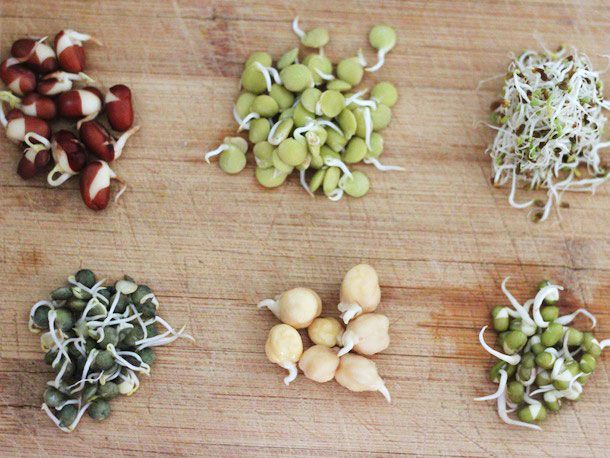
Phytates in bread carry phytic acid, an “anti-nutrient” that can bind minerals and reduce their absorption. Using sprouted wheat can remove these inhibitor enzymes, making bread even healthier.
Traditional bakers understood this. They used sprouted grains and long fermentation specifically because these methods unlock the full nutritional potential of wheat. Modern industrial bread makers skip these steps entirely in favor of speed and profit.
Learn more about sprouted grain nutrition and traditional preparation methods.
Healthy Artisan Baking: The Foundation of Real Bread
What True Artisanal Bread Requires
Healthy artisan baking starts with well-trained bakers with a passion for their craft. They use clean, unsprayed herbicide and pesticide-free whole grain flour, forming the foundation of healthier, more nutritious, and easily digestible bread.
The minimum 4-hour fermentation period ensures complete gluten breakdown, contributing to better digestibility and reducing the chances of gluten intolerance and celiac disease.
Furthermore, by avoiding herbicides and pesticides, and by using clean water, artisan bread remains free from harmful carcinogenic chemicals that contaminate industrially produced bread.
Natural Starters vs. Commercial Yeast
Sourdough starters—a combination of natural airborne fungus and bacteria—replace commercial yeast (saccharomyces cerevisiae). This not only provides a richer flavor profile but also higher nutrient content and improved digestibility.
Unlike commercial bread, which often contains additives, dough conditioners, and preservatives, artisan bread aims for purity. This ensures that what you’re consuming is straightforward, with no hidden substances that could be detrimental to your health.
The Difference: Artisan vs. Industrial Bread
Why Commercial Bread Stays “Fresh” Forever
Unlike most commercial bread, which can stay soft for many days, the sentiment that “if the mould doesn’t want to eat the bread, why should you?” perfectly encapsulates many people’s skepticism towards industrially produced foods.
Think about this: bread is supposed to mold. It’s a living food made from living grains. When bread never molts, it means it’s so chemically preserved that even microorganisms won’t touch it. Is that really food you want to feed your family?
Supporting Local Bakeries: Health and Sustainability
Supporting boutique-style artisan bakeries or local bakers who adhere to traditional principles benefits consumer health and promotes small businesses and sustainability. Local bakeries often source their ingredients from nearby producers, reducing the carbon footprint and preserving the art of true baking.
When you buy from a local artisan baker, you’re not just purchasing bread. You’re supporting:
- Skilled craftspeople who care about their work
- Local agriculture and sustainable farming
- Reduced environmental impact through local sourcing
- A real alternative to industrial food systems
- Your own family’s health
The Growing Demand for Better Bread
Consumer Awareness and the Movement for Change
As consumer awareness about the ingredients in their food grows, there is a significant drive to promote healthier bread-making practices. The demand for these types of bread will likely increase.
By avoiding additives and preservatives commonly found in commercially produced bread, consumers can significantly reduce the risk of obesity and other health concerns associated with processed foods.
This is not a niche movement. This is a fundamental shift in how people understand the relationship between food and health.
Conclusion: Reclaim Bread Before It’s Lost to Greed
Bread, in its most basic form, should be natural and pure. The formula is simple:
Clean grain + Time + Skill + Natural fermentation = Real bread
Yet this simplicity has been corrupted by industrial food systems that prioritize profit over nourishment. Chemical additives, synthetic nutrients, rapid fermentation, pesticide-laden flour, chlorinated water—all of these are designed to maximize efficiency and shareholder returns, not to nourish your body.
We must demand and bake much better, healthy, digestible, clean bread before this God’s gift gets hijacked further by greed.
Choose artisanal bread made with sprouted grain and proper fermentation. Choose local bakers who respect their craft. Choose to nourish your body with real food.
Discover authentic, nourishing bread at Shasha Horizon
Shasha Shaun Navazesh
Founder & CEO, Shasha Co.
September 28, 2023